
🇫🇷 (English below)
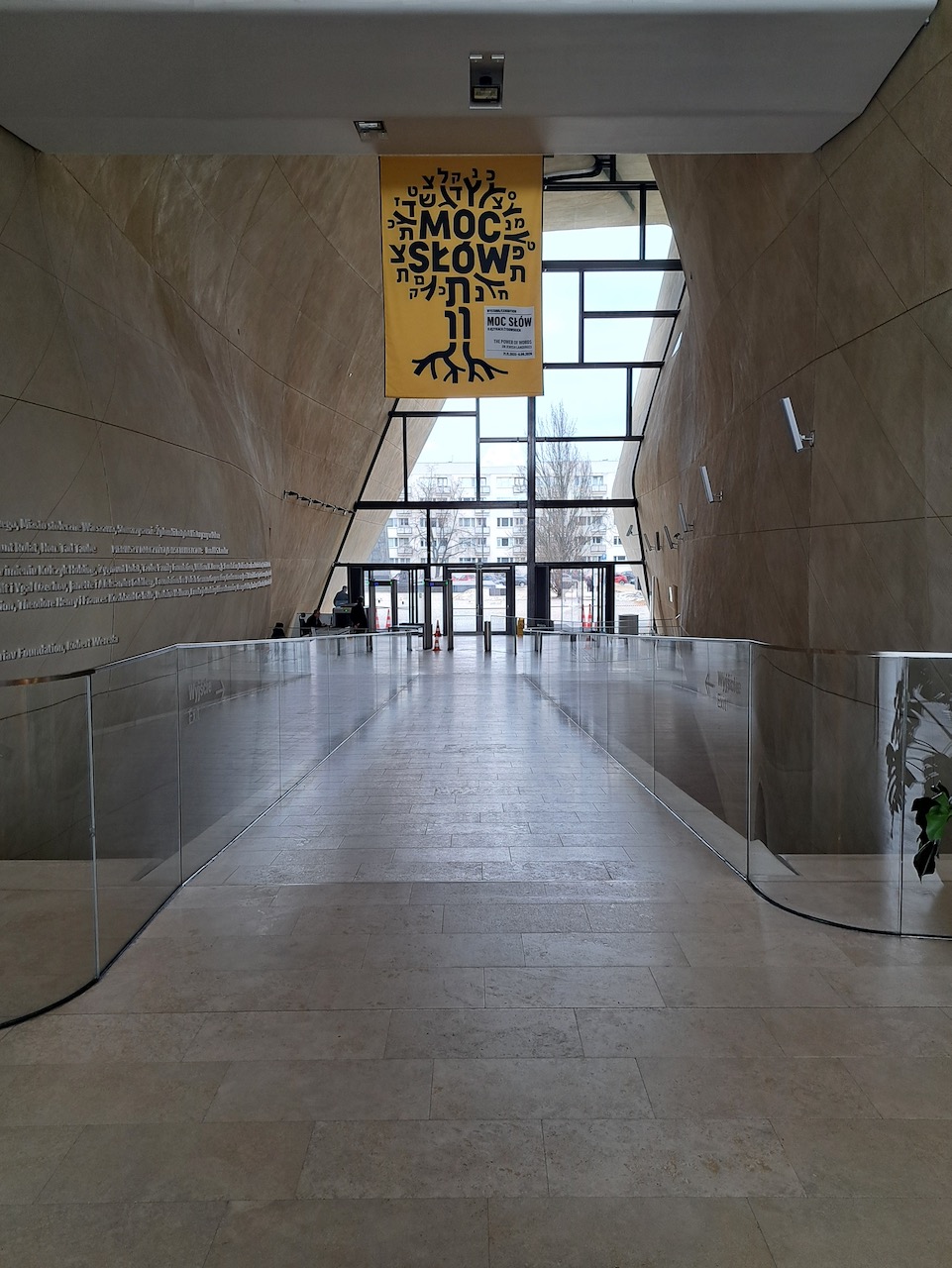
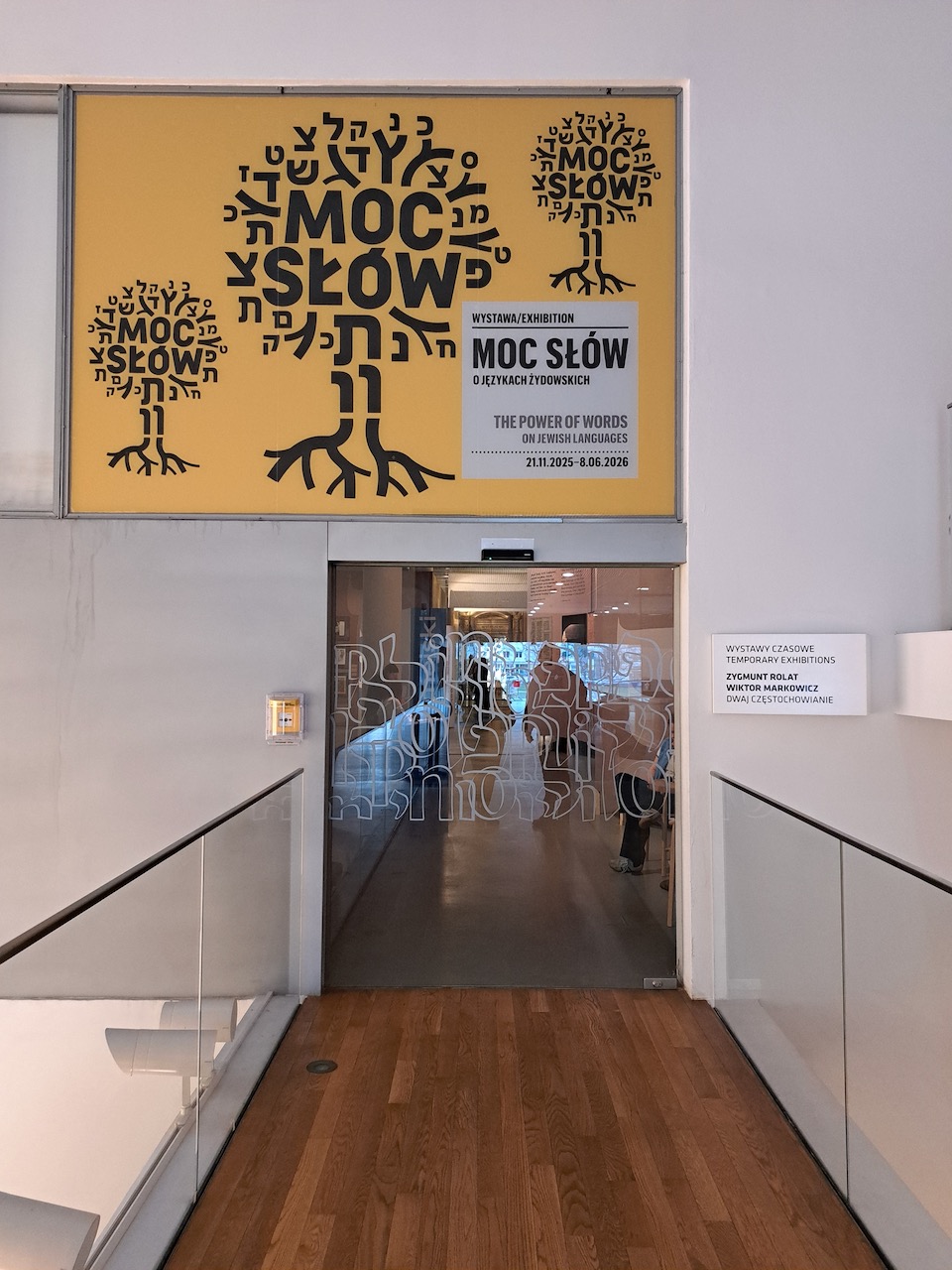
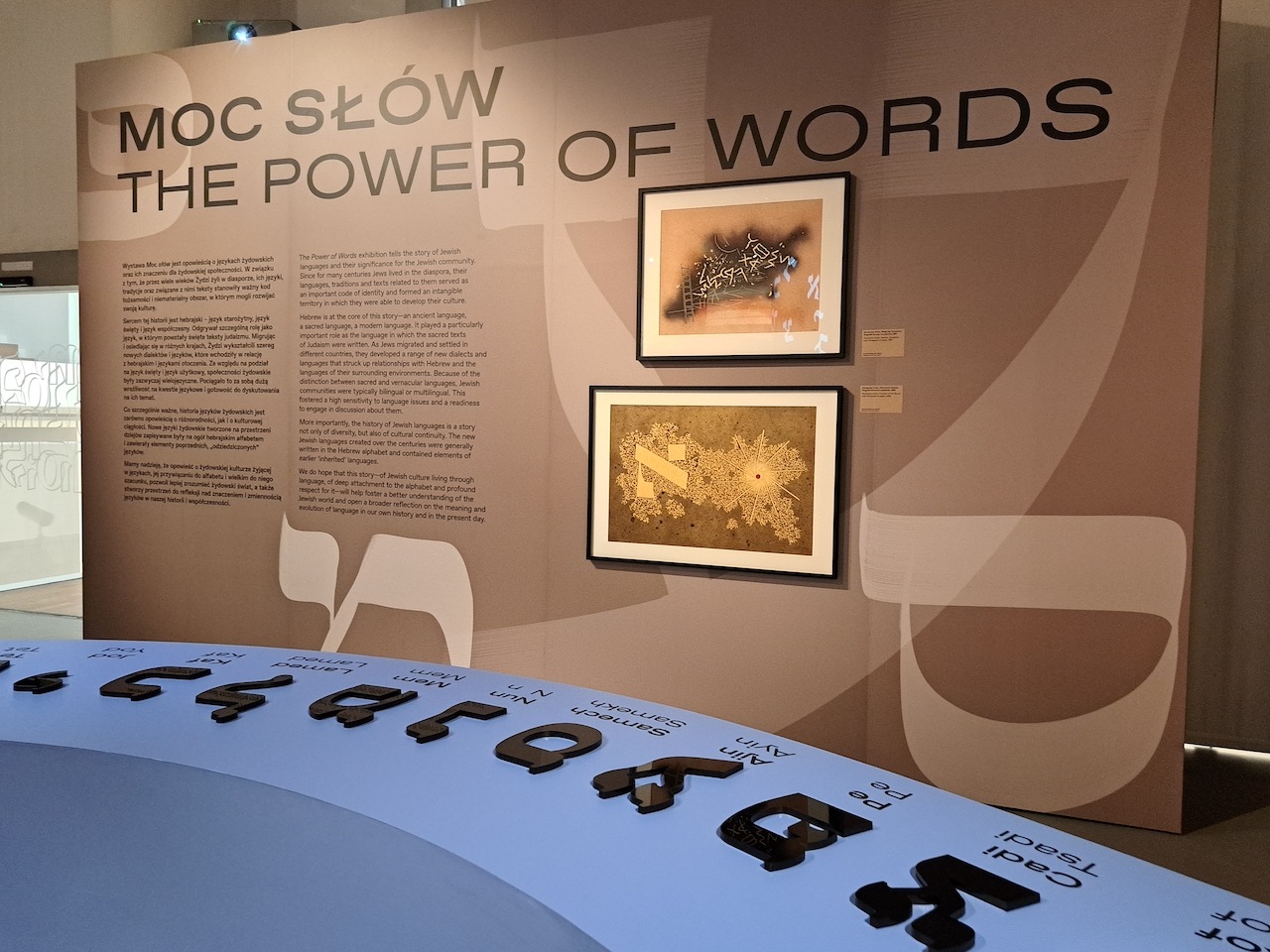
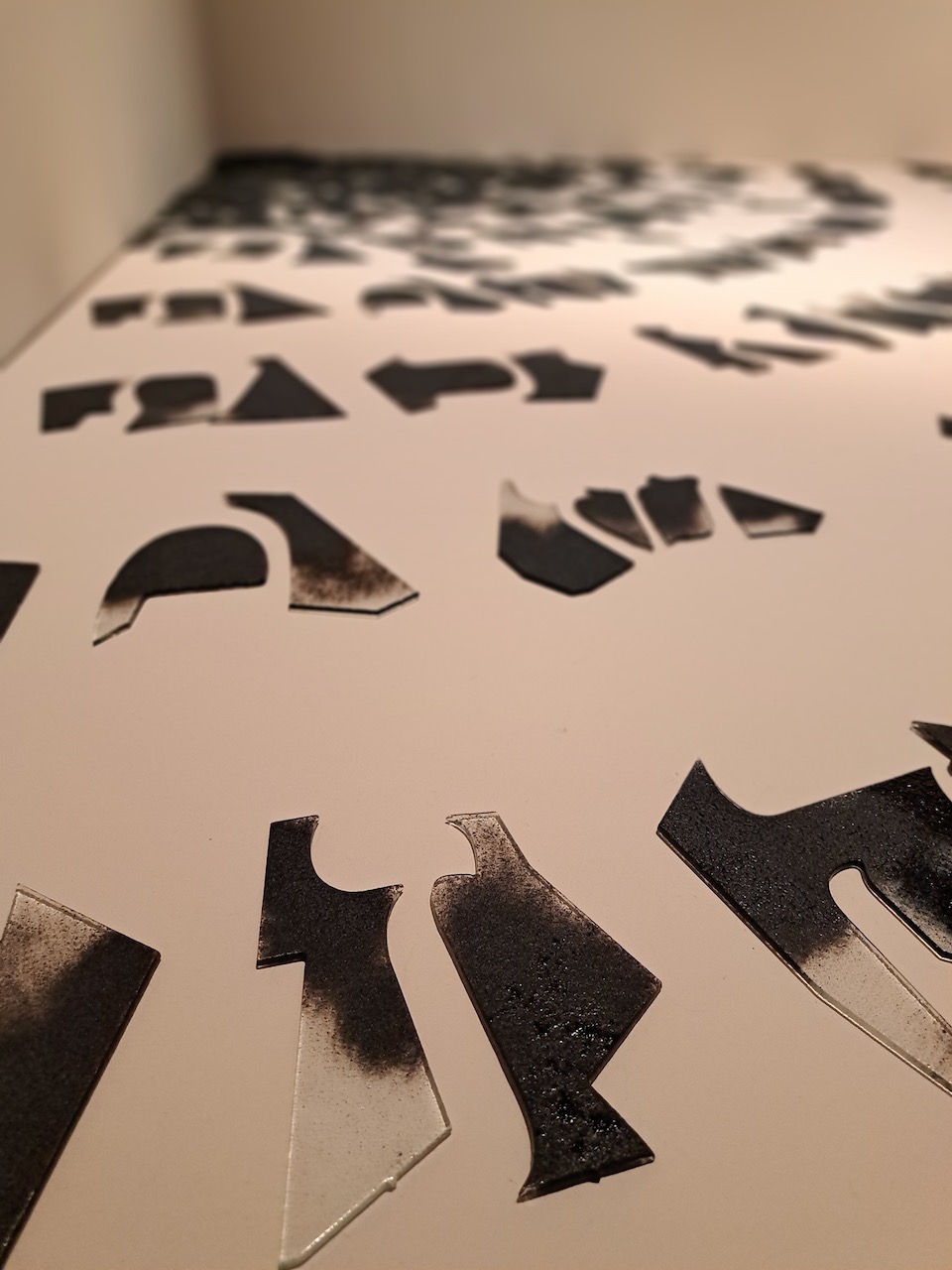
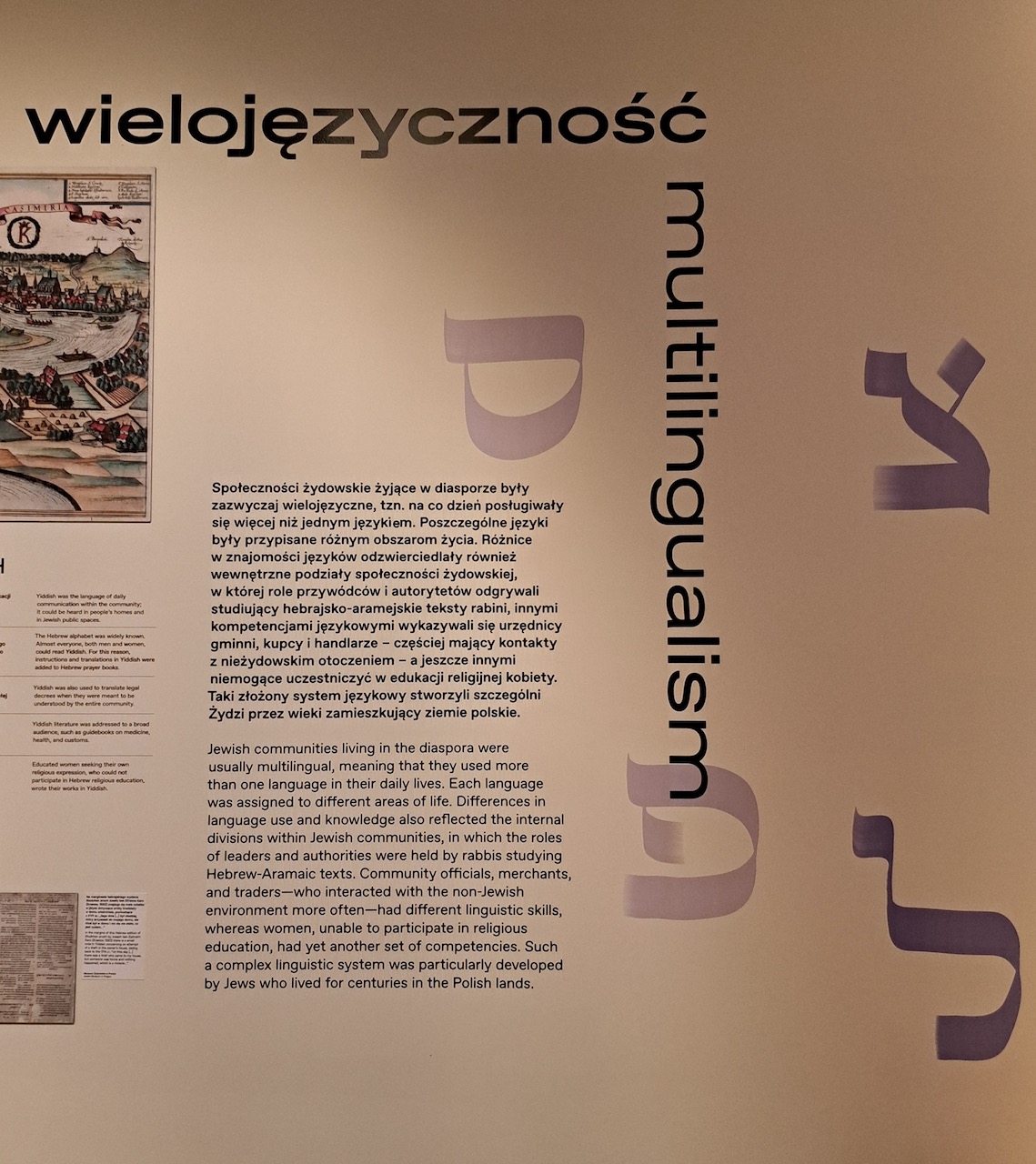
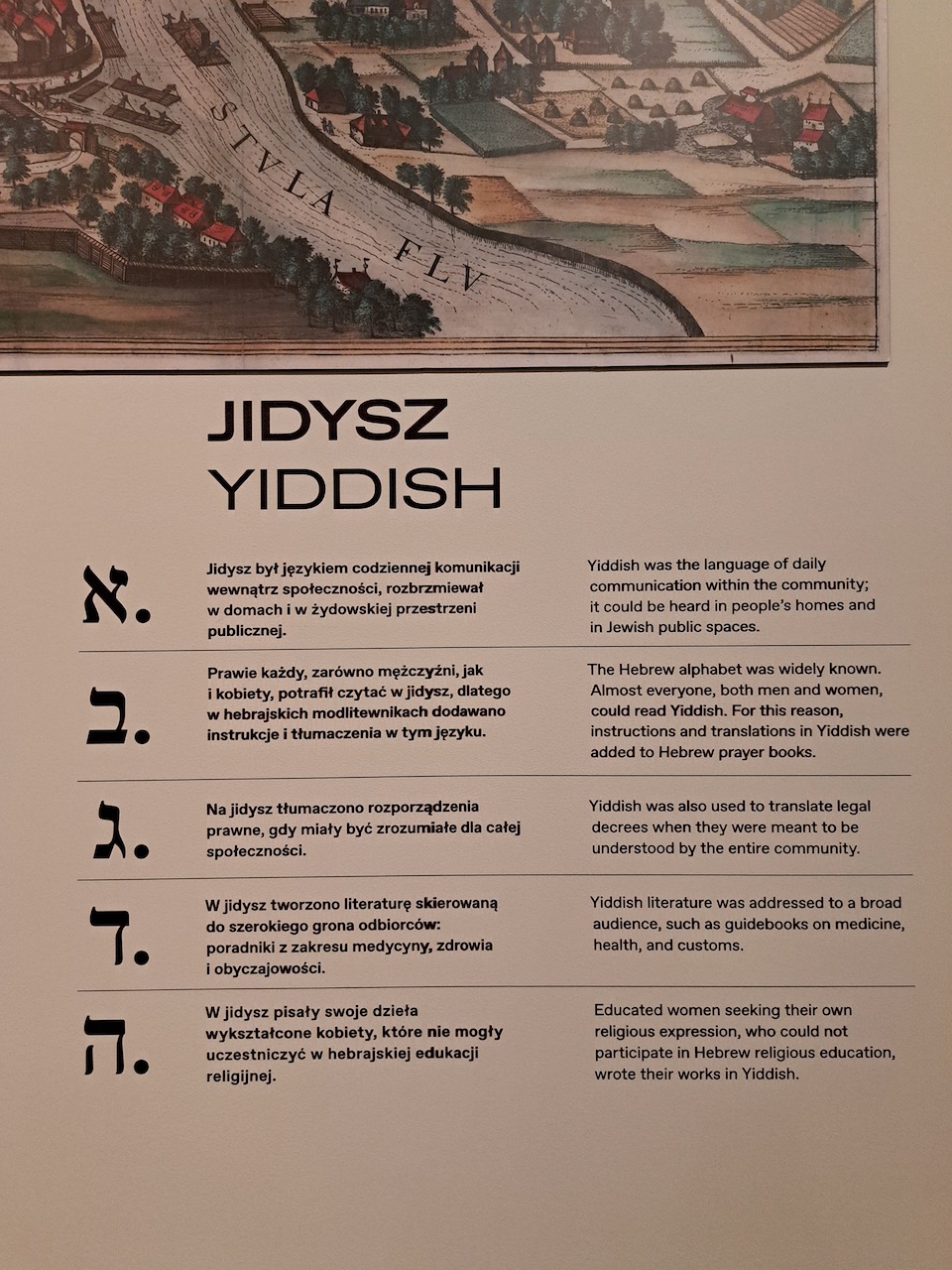
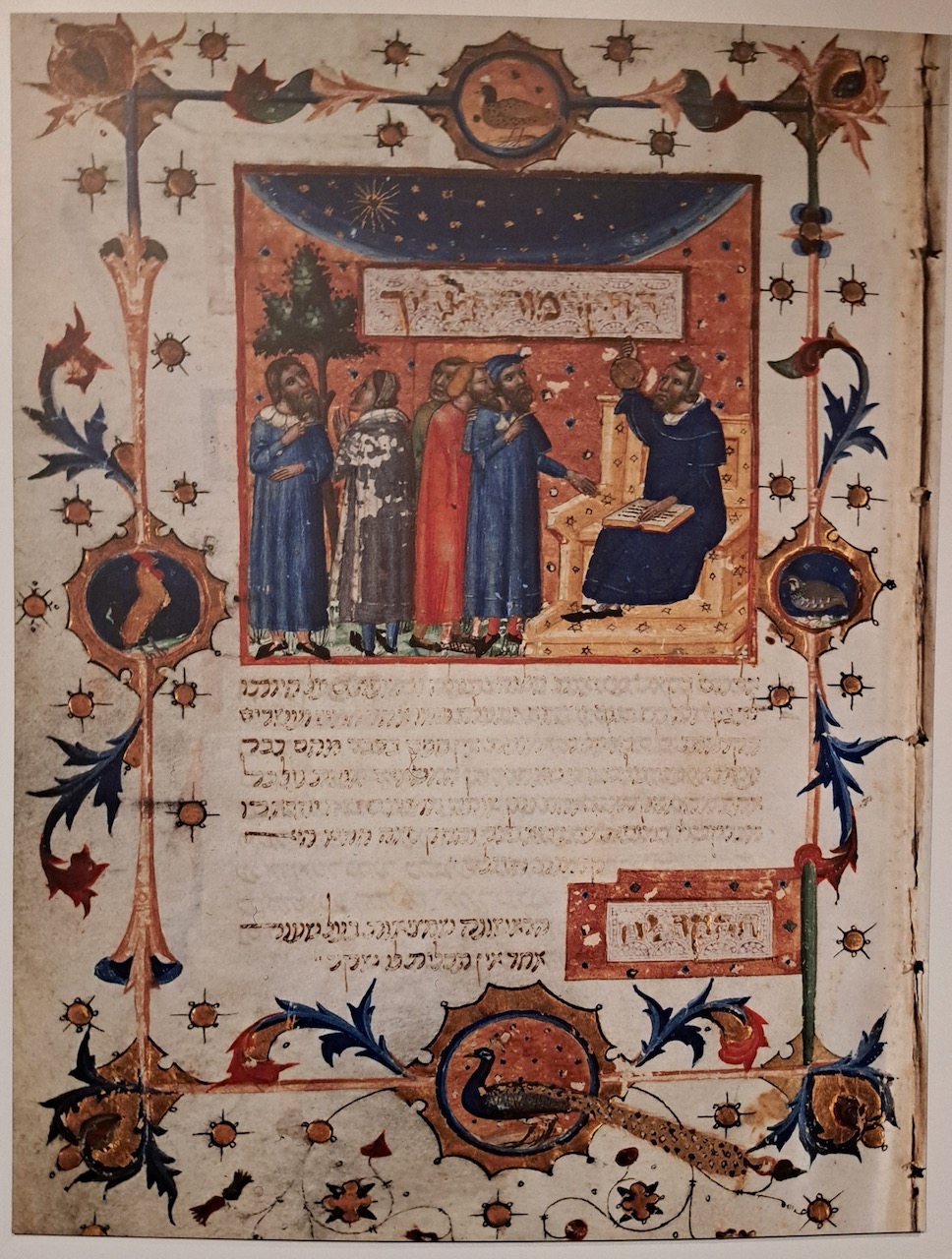
L’exposition « Le pouvoir des mots » au Musée POLIN à Varsovie raconte l’histoire des langues juives et leur importance pour la communauté juive. Puisque les Juifs ont vécu pendant de nombreux siècles en diaspora, leurs langues, leurs traditions et les textes qui s’y rapportent ont servi de code identitaire important et ont formé un territoire immatériel dans lequel ils ont pu développer leur culture.
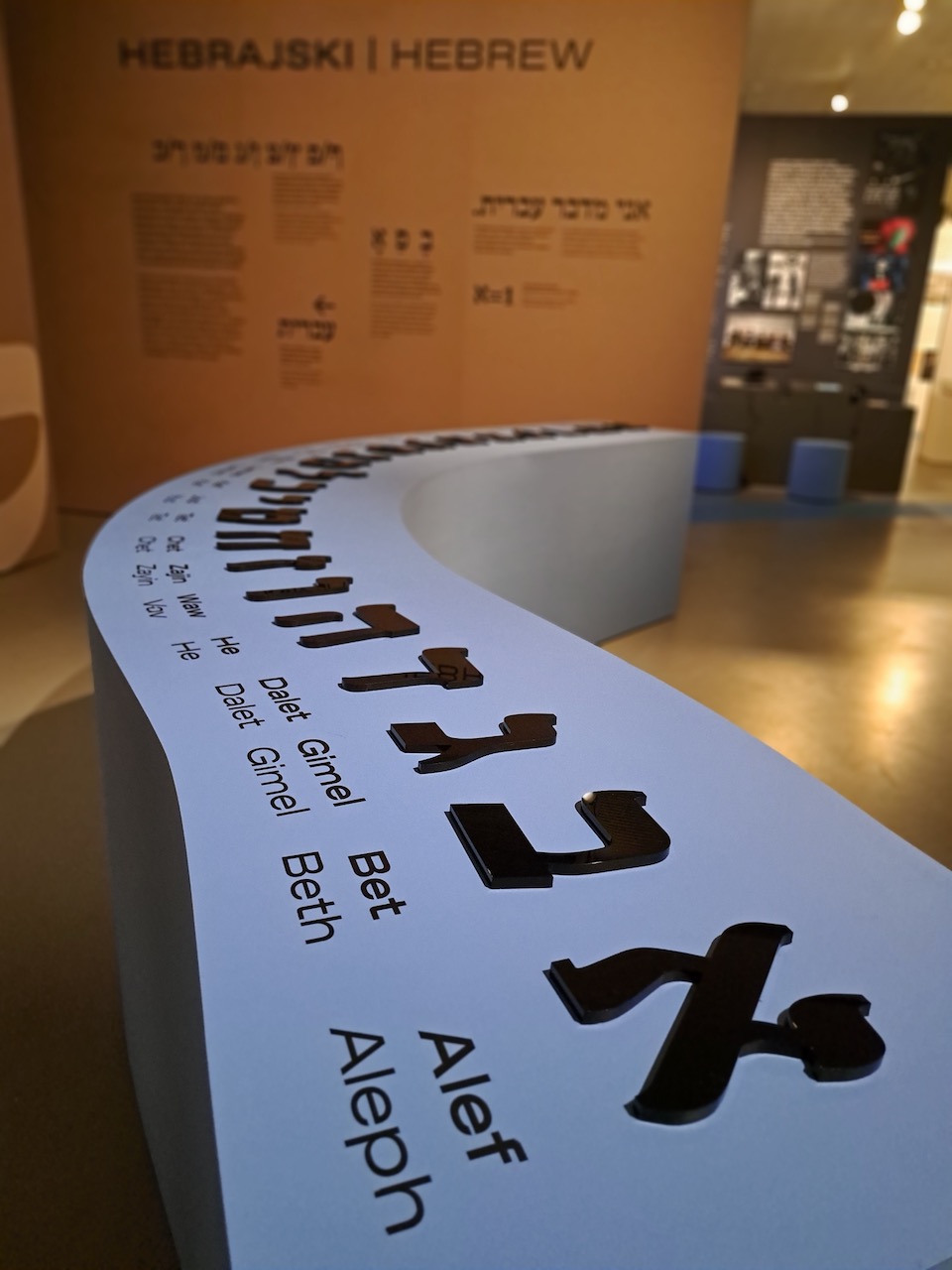
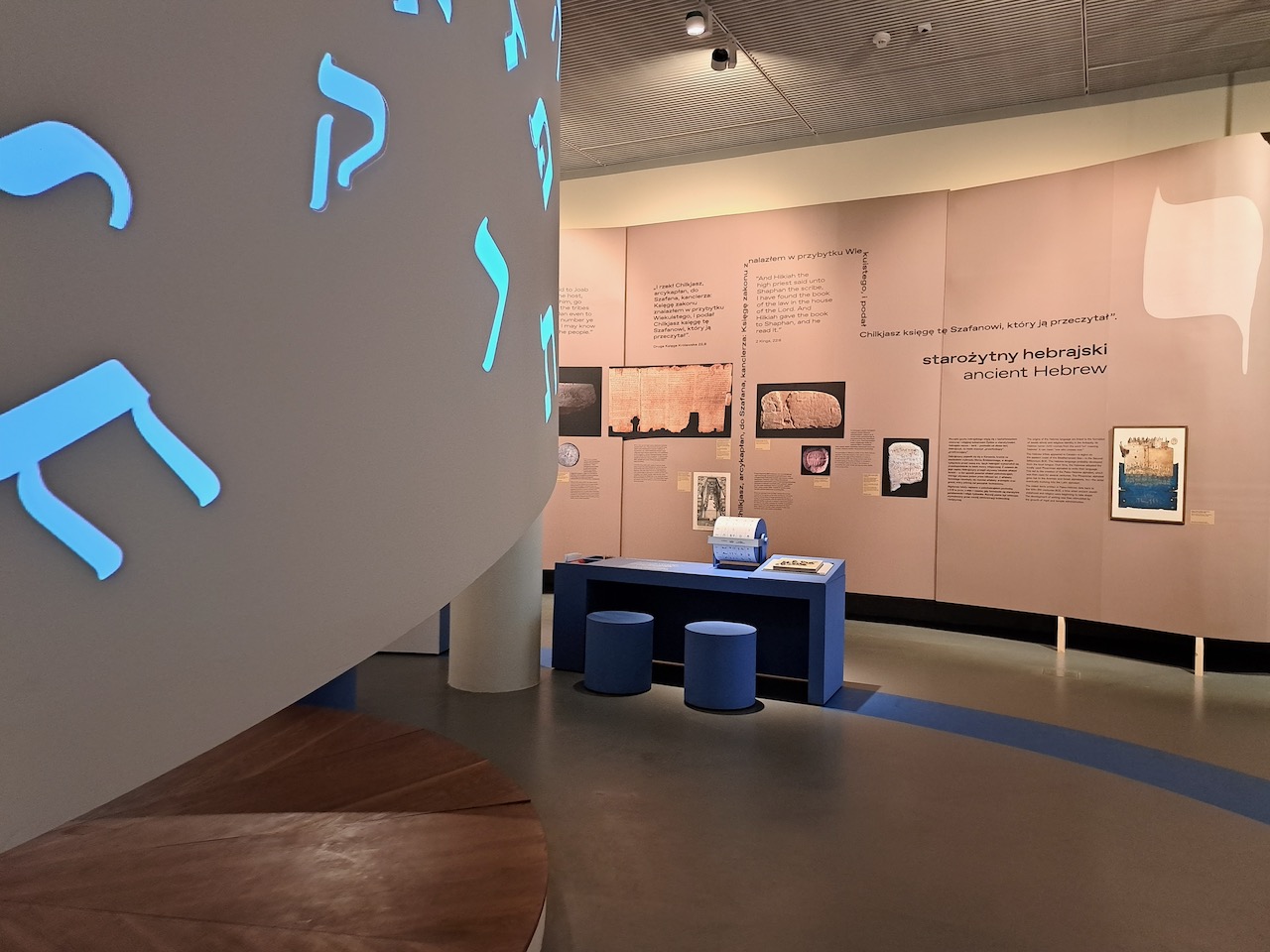
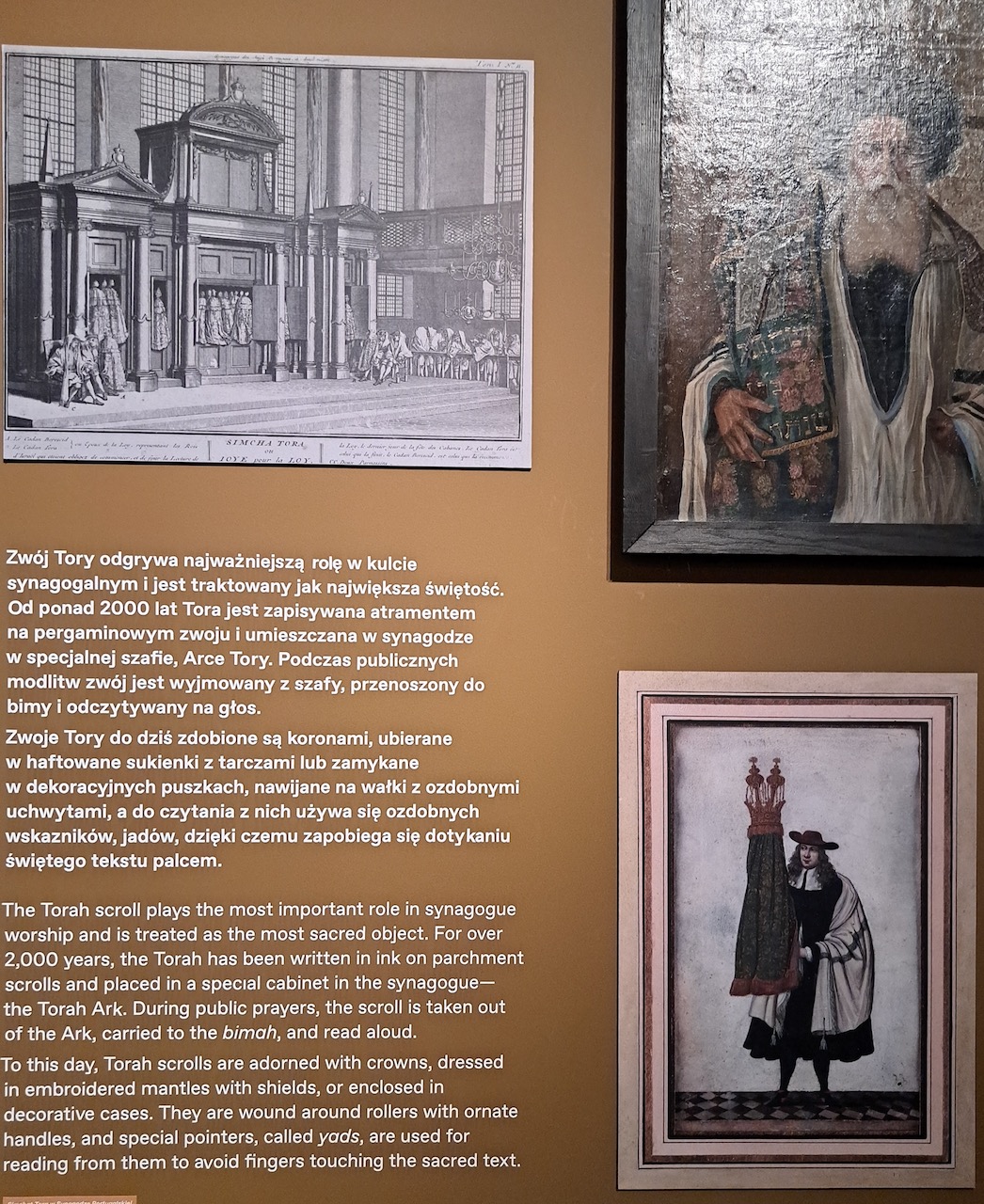
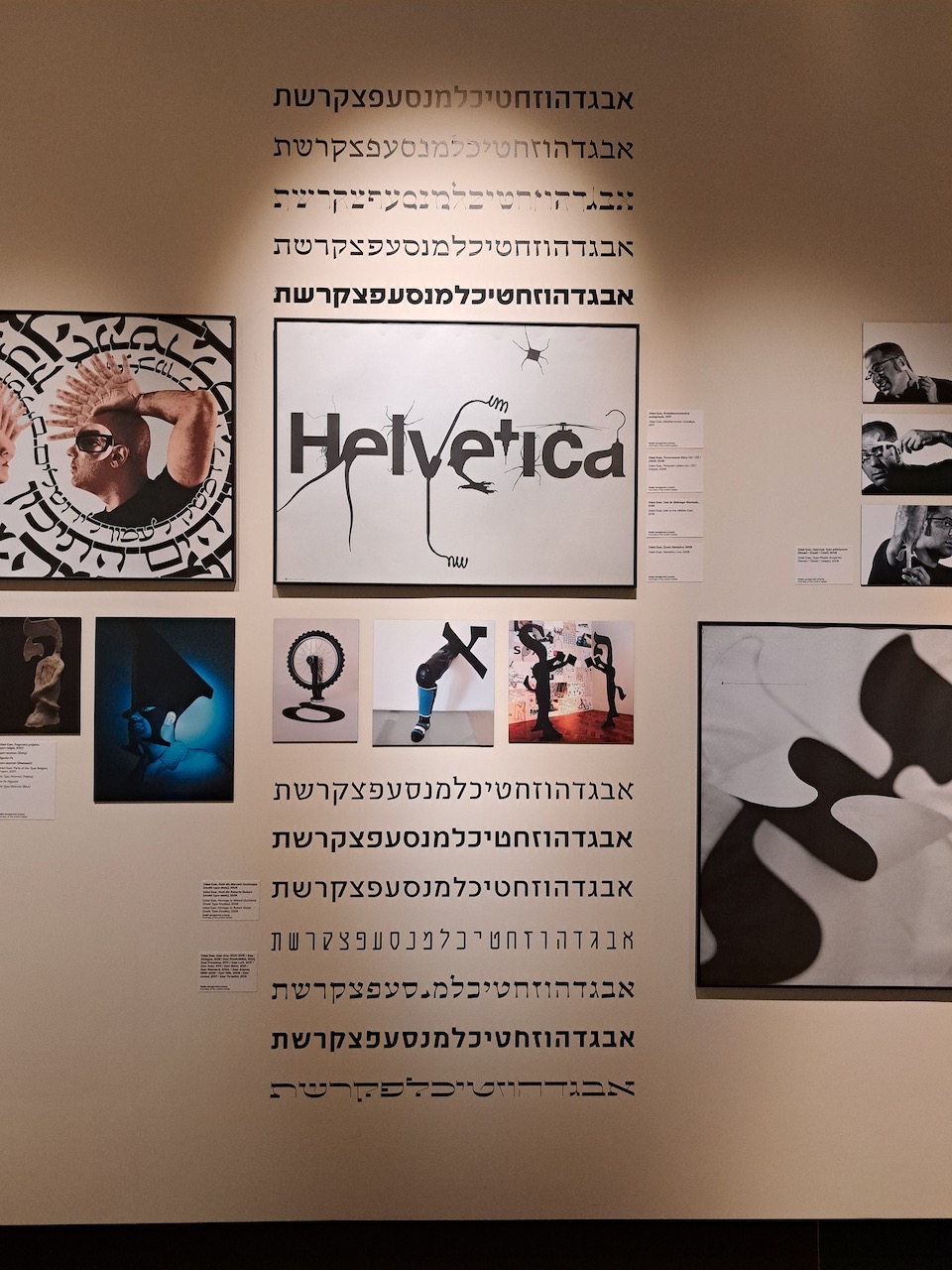
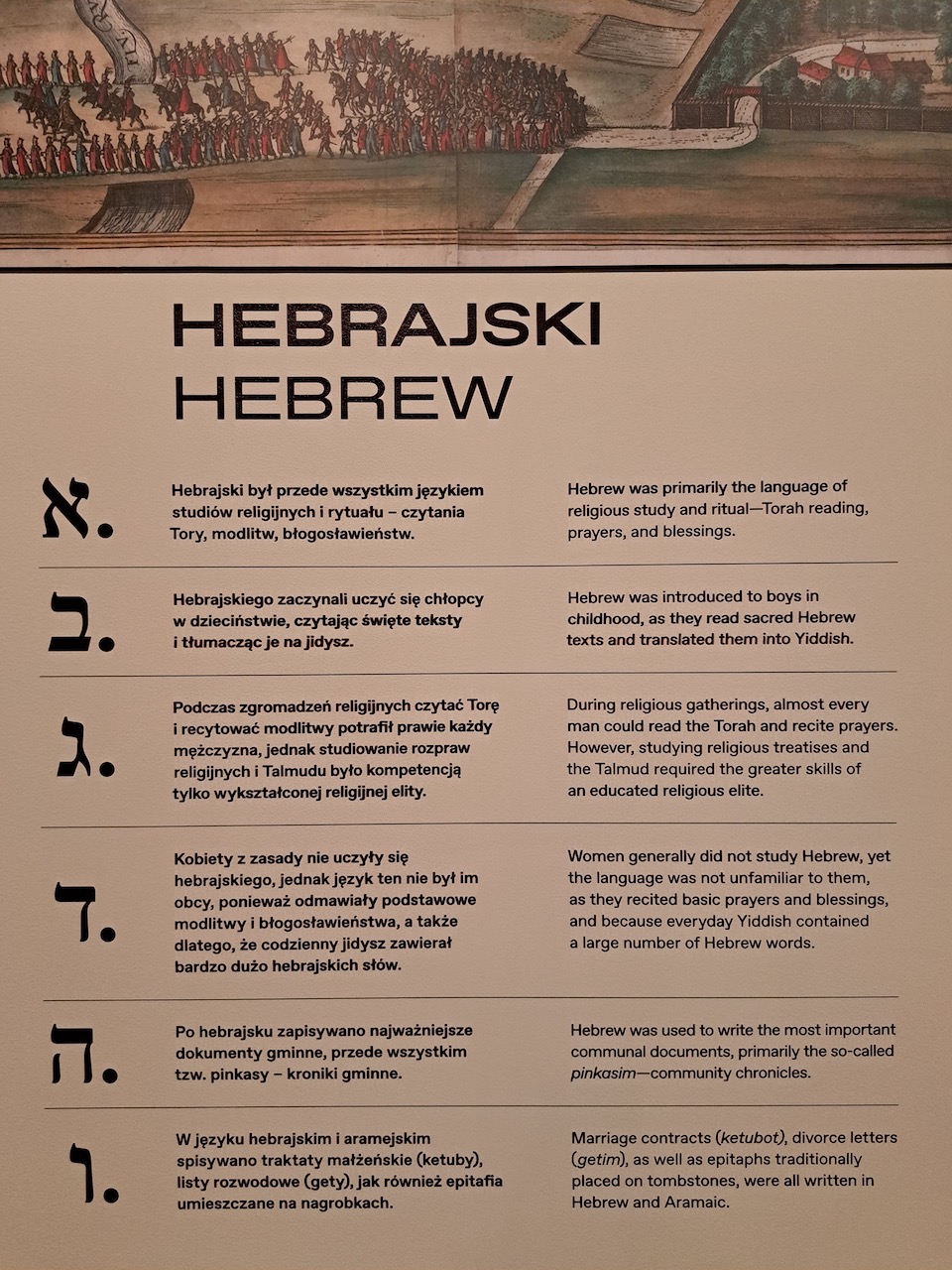
L’hébreu est au cœur de cette histoire : une langue ancienne, une langue sacrée, une langue moderne. Il a joué un rôle particulièrement important en tant que langue dans laquelle les textes sacrés du judaïsme ont été écrits. Au fur et à mesure que les Juifs migraient et s’installaient dans différents pays, ils ont développé toute une gamme de nouveaux dialectes et de nouvelles langues qui ont tissé des liens avec l’hébreu et les langues de leurs environnements environnants. En raison de la distinction entre langues sacrées et langues vernaculaires, les communautés juives étaient généralement bilingues ou multilingues. Cela a favorisé une grande sensibilité aux questions linguistiques et une volonté d’engager la discussion à leur sujet.
Plus important encore, l’histoire des langues juives est une histoire non seulement de diversité, mais aussi de continuité culturelle. Les nouvelles langues juives créées au fil des siècles étaient généralement écrites dans l’alphabet hébreu et contenaient des éléments des langues « héritées » antérieures
Rappelons que l’hébreu appartient au groupe des langues sémitiques. En tant que langue ancienne, il a connu différentes étapes de développement, ce qui explique pourquoi on peut distinguer ses différentes formes : l’hébreu biblique (la langue des anciens Hébreux, dans laquelle la Bible a été écrite), l’hébreu mishnaïque (utilisé à la fin de l’Antiquité), l’hébreu médiéval (utilisé pendant de nombreux siècles, principalement dans la liturgie) et l’hébreu moderne (la langue officielle de l’État d’Israël).
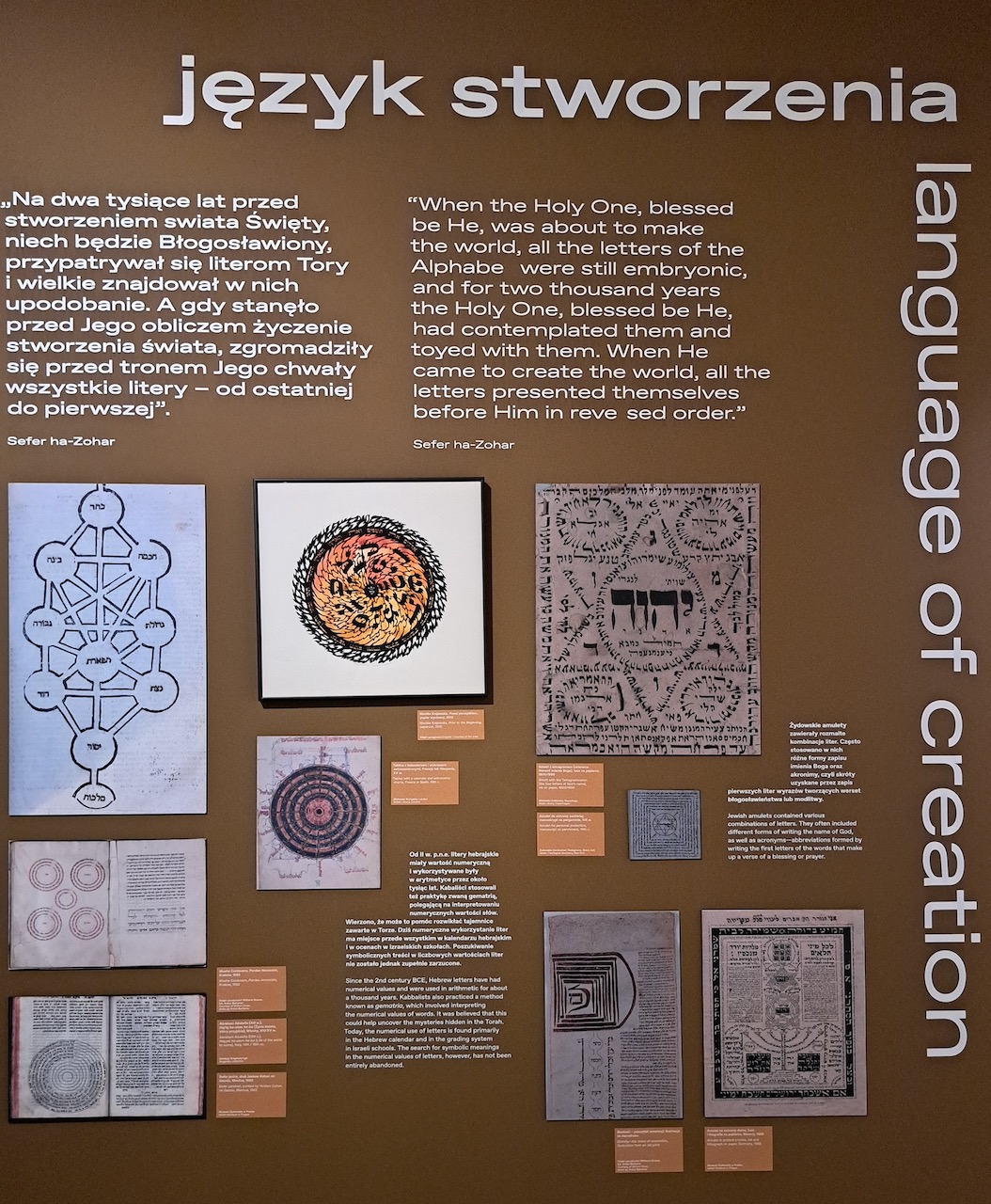
“Yah, Eternel des Armées, D. d’Israël, D. vivant, D. de l’Univers, El Shaday […] a sculpté et créé son monde […], avec trois outils linguistiques (sefarim) : le Compté (sfar), l’Ecriture (sefer) et la Parole (sippuour).” Sefer Yetsirah (un livre de cosmogonie juive, IIIe-VIe siècles)

🇬🇧 French version is above
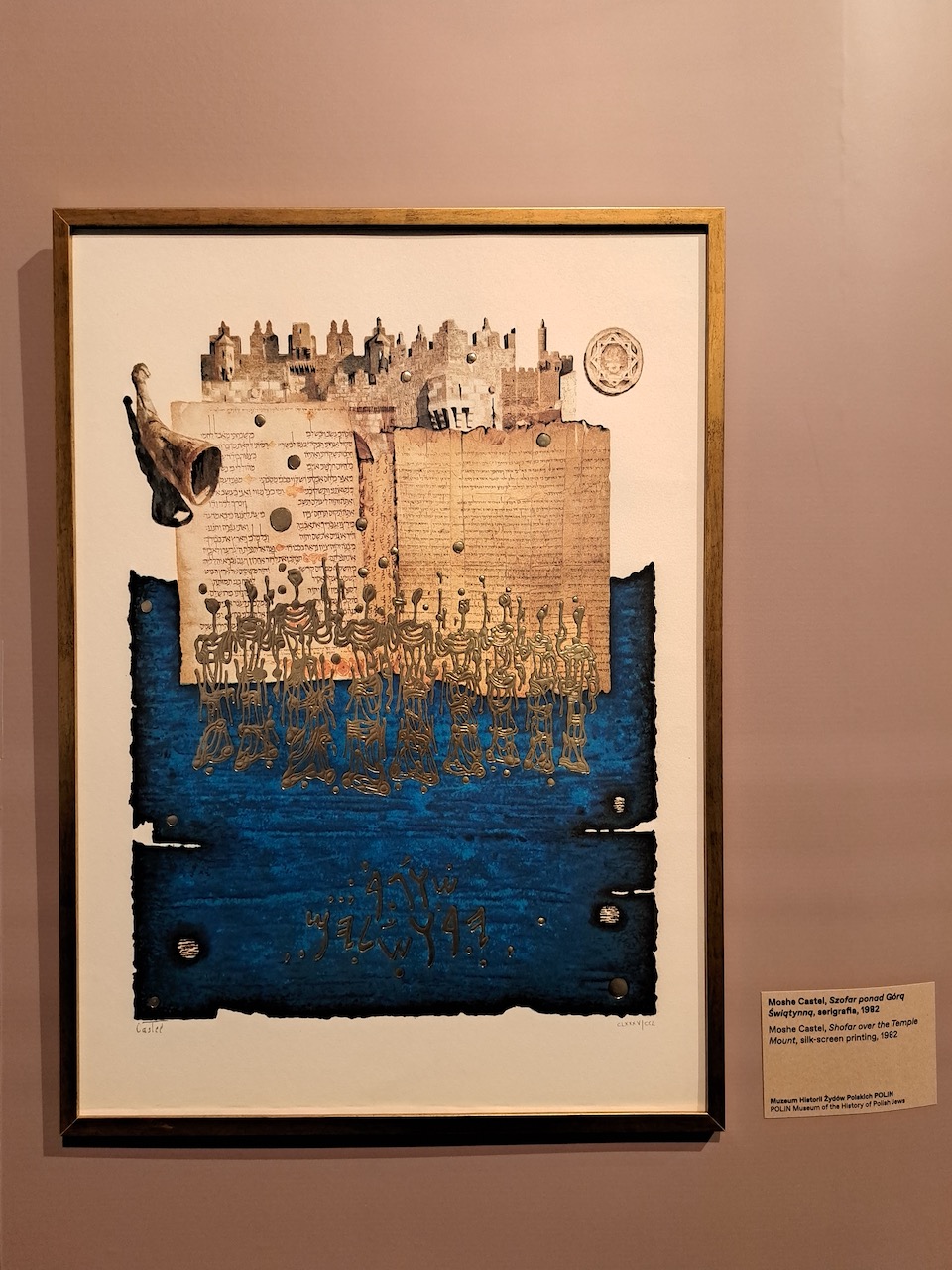
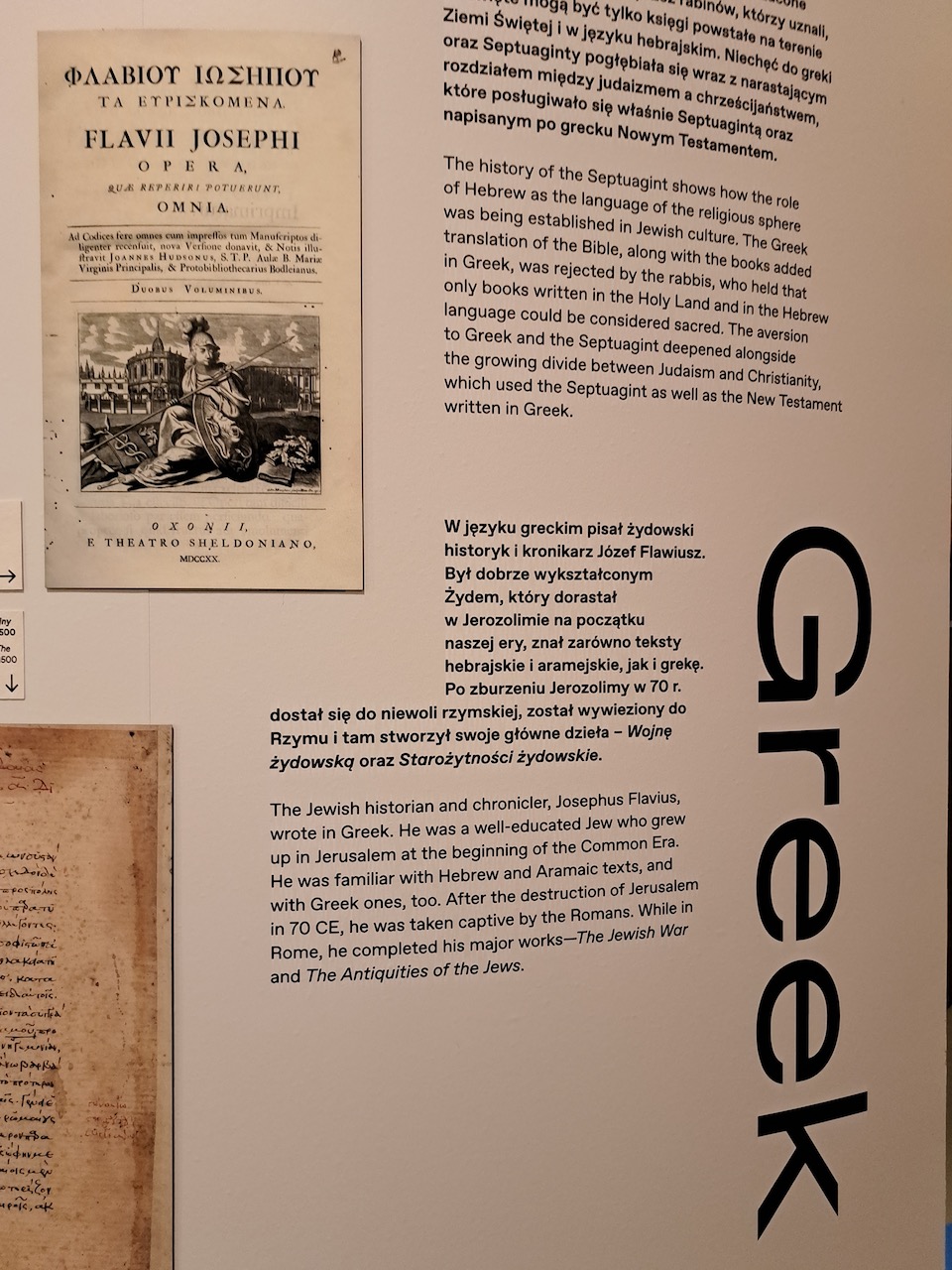
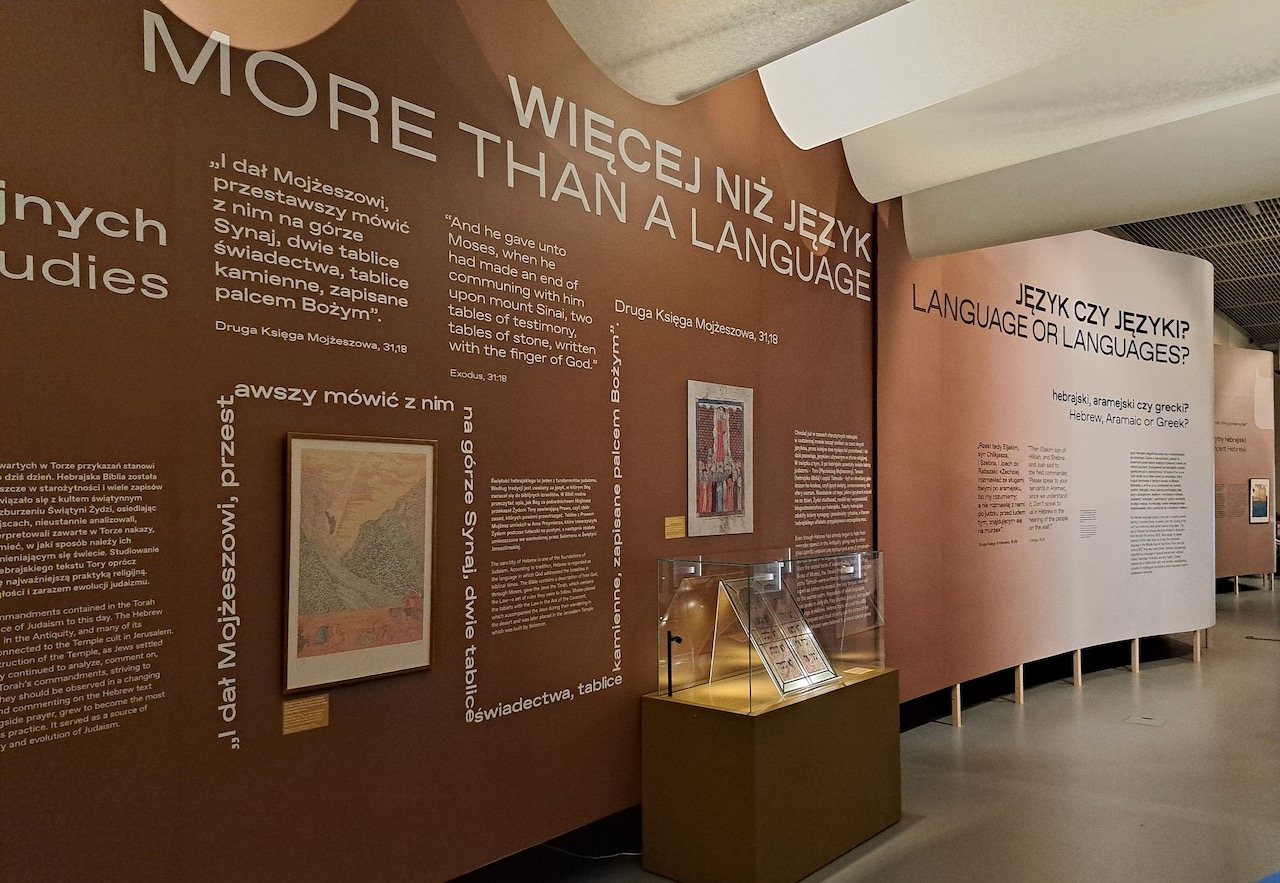
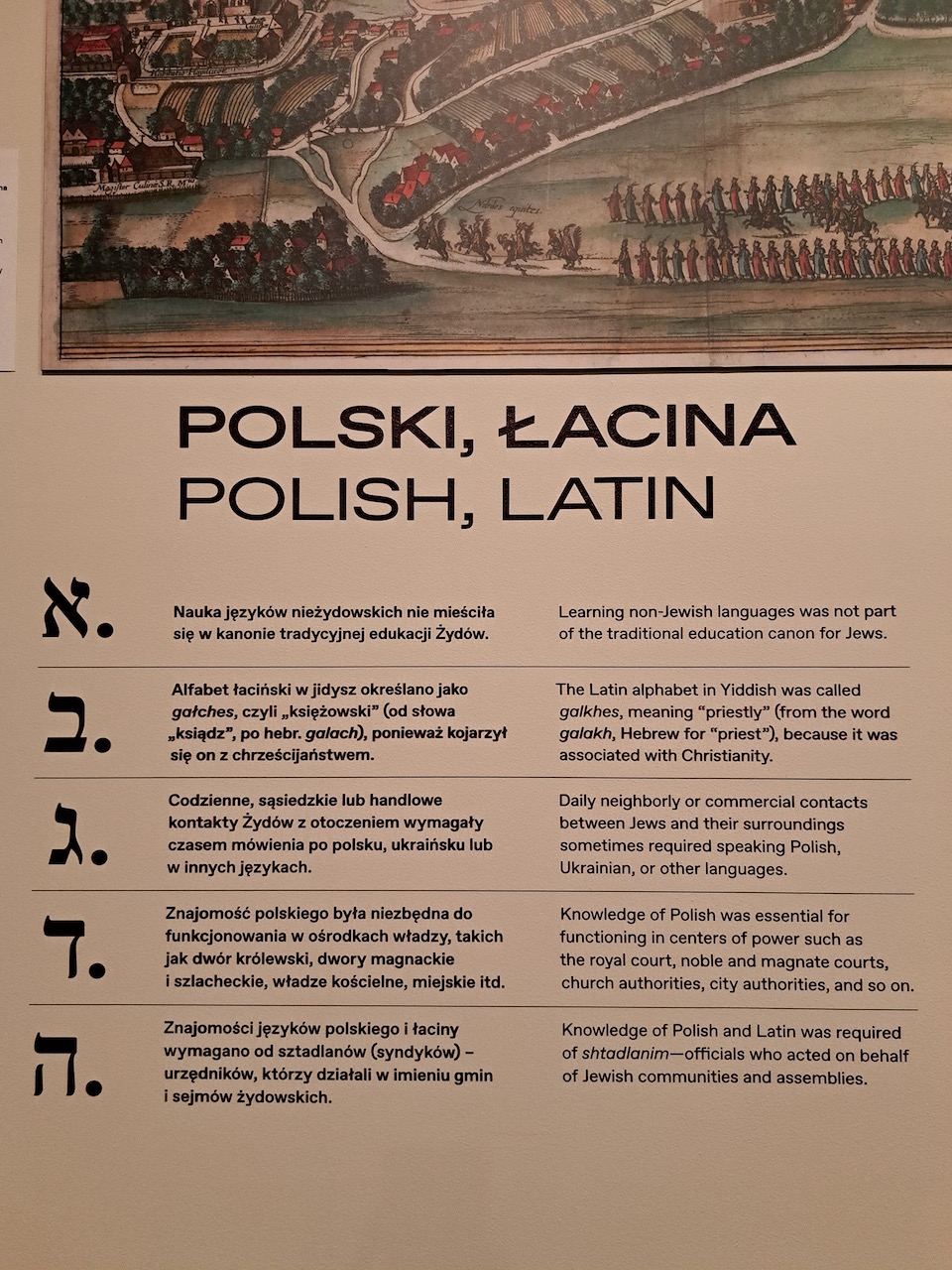
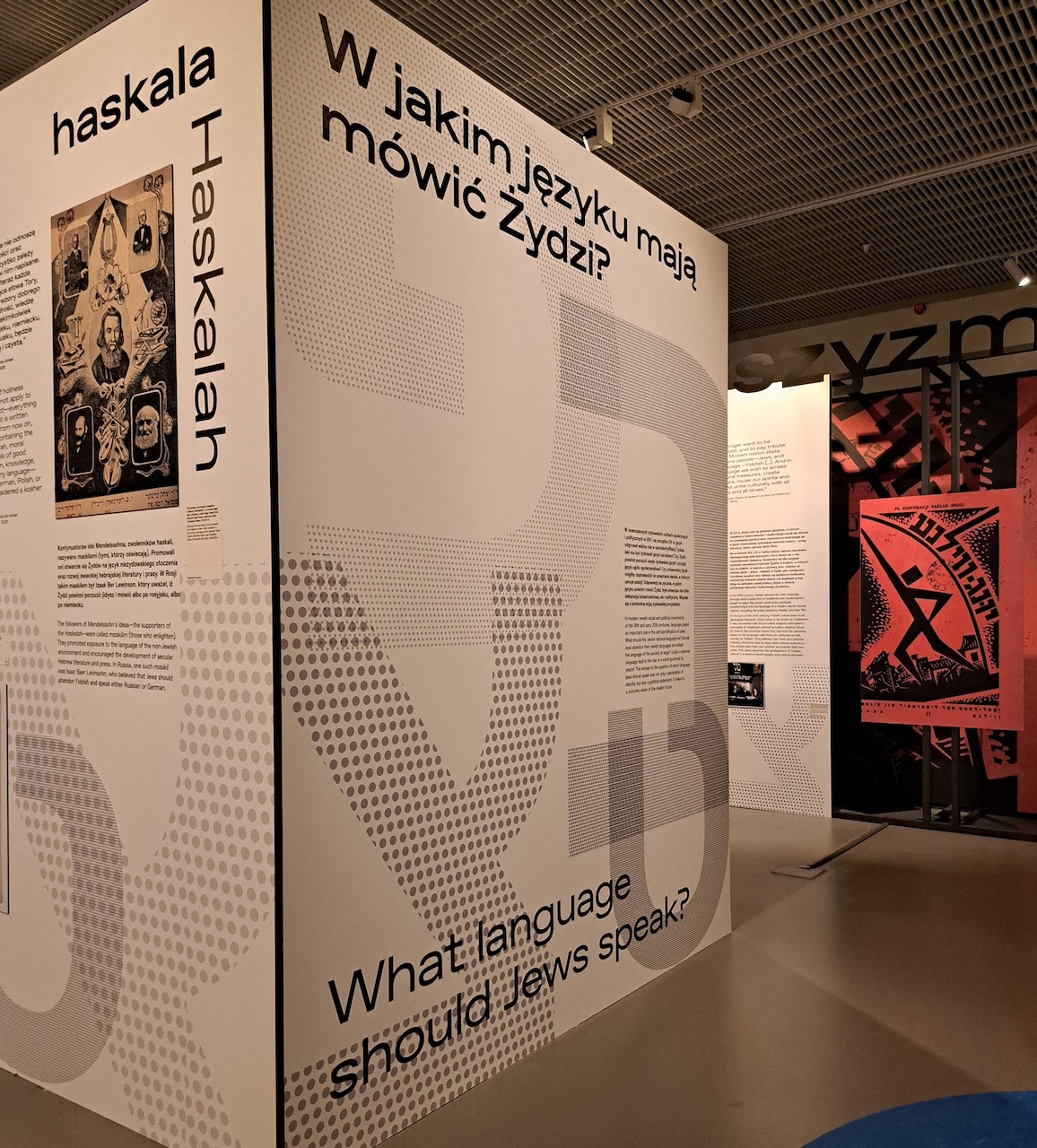
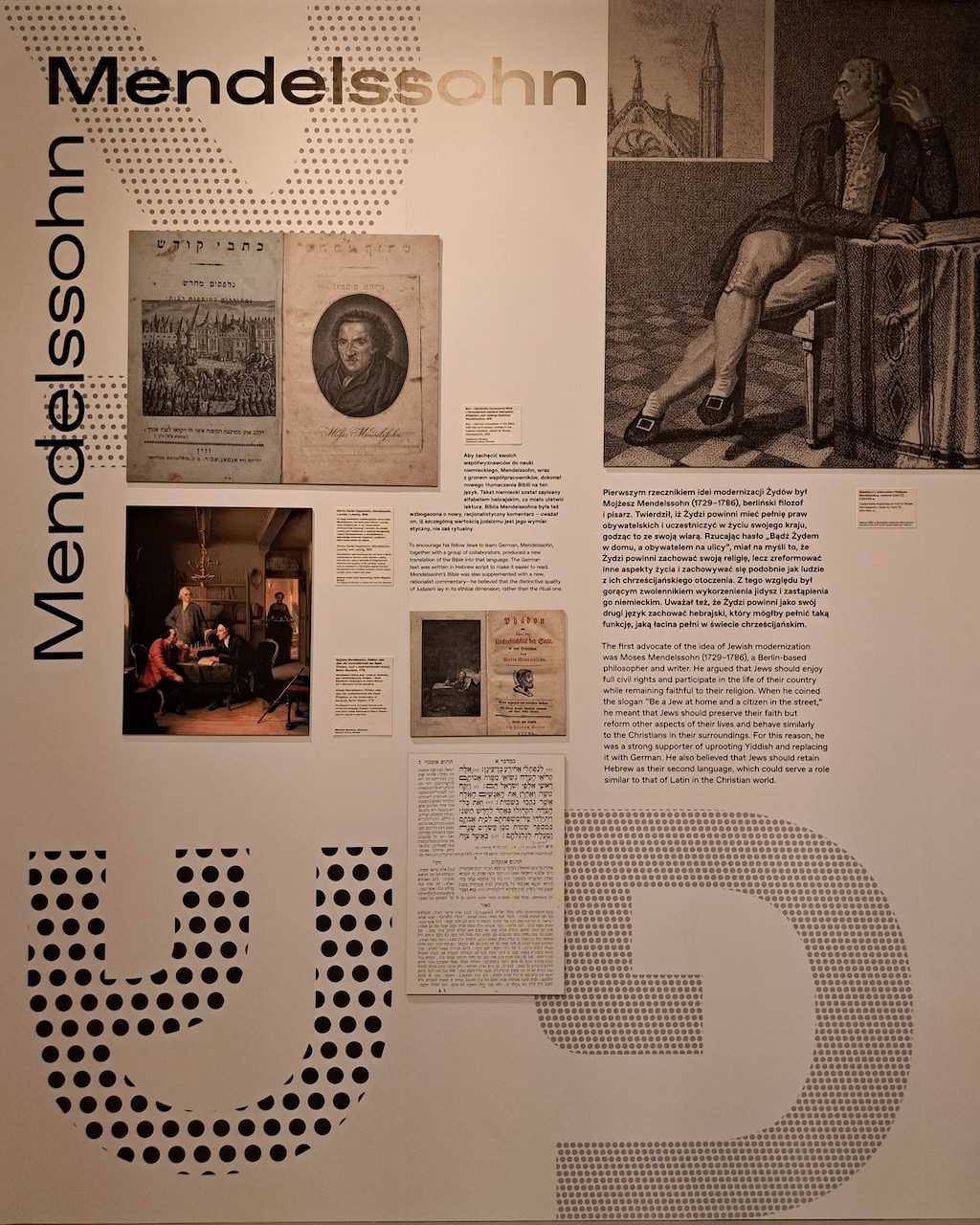
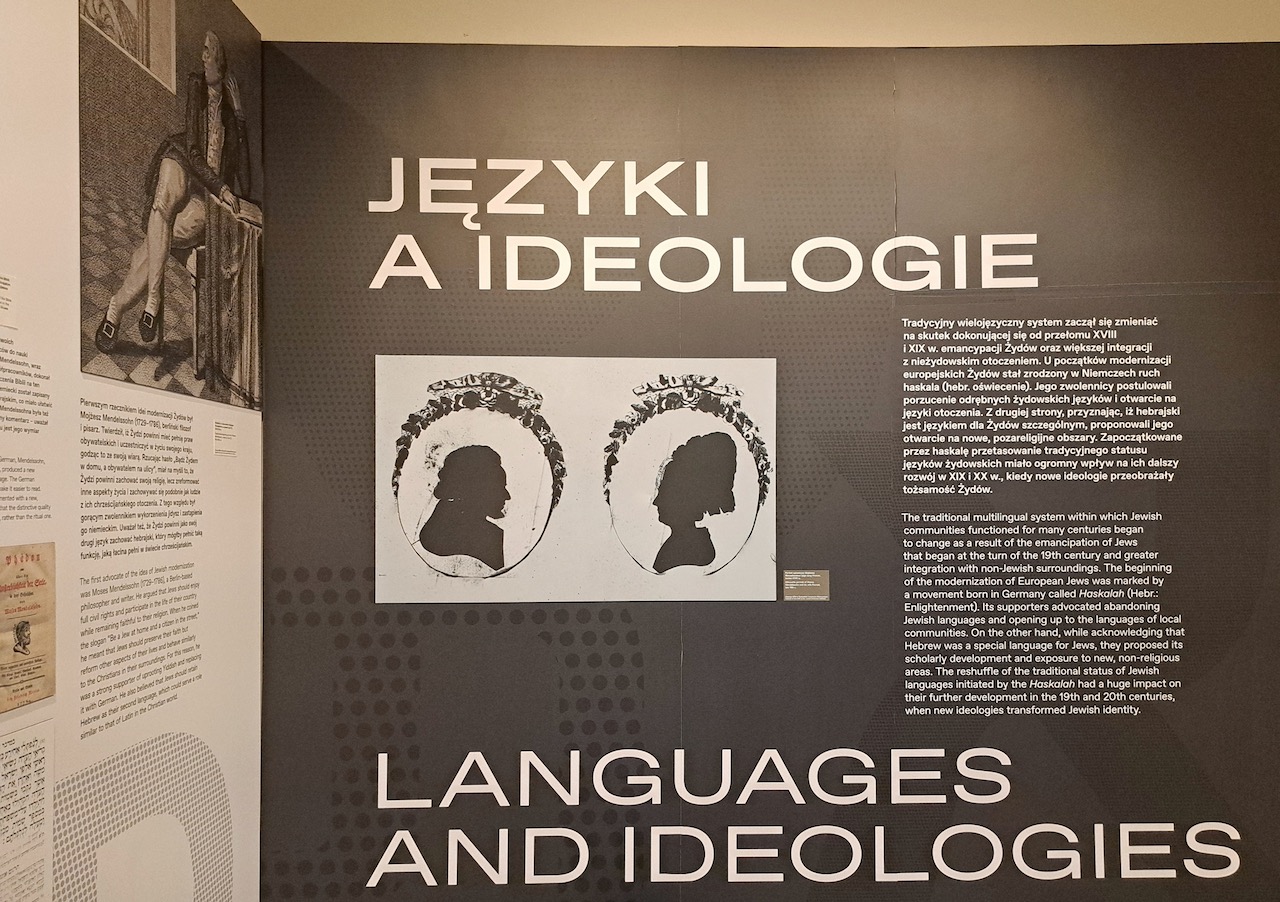
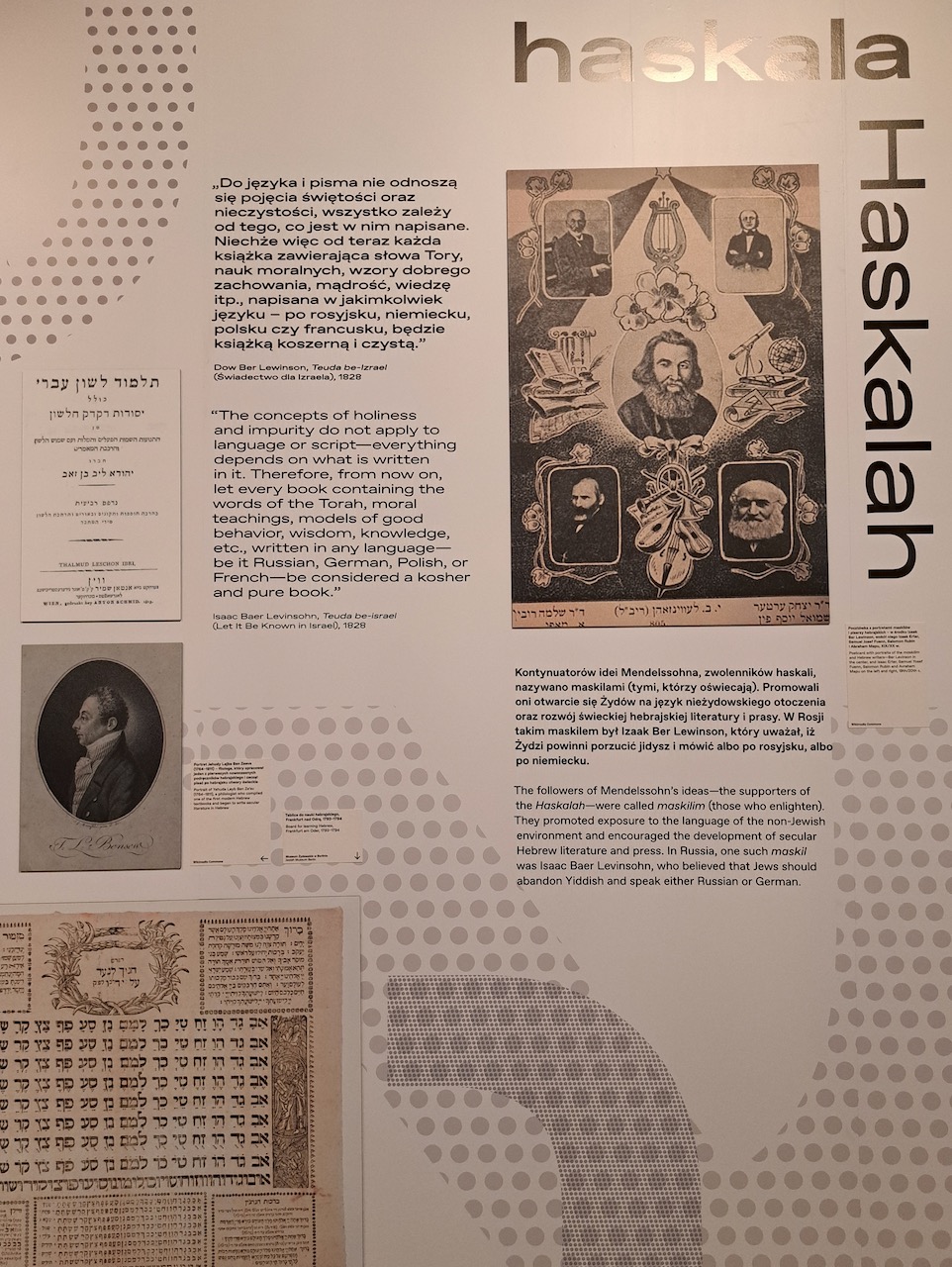
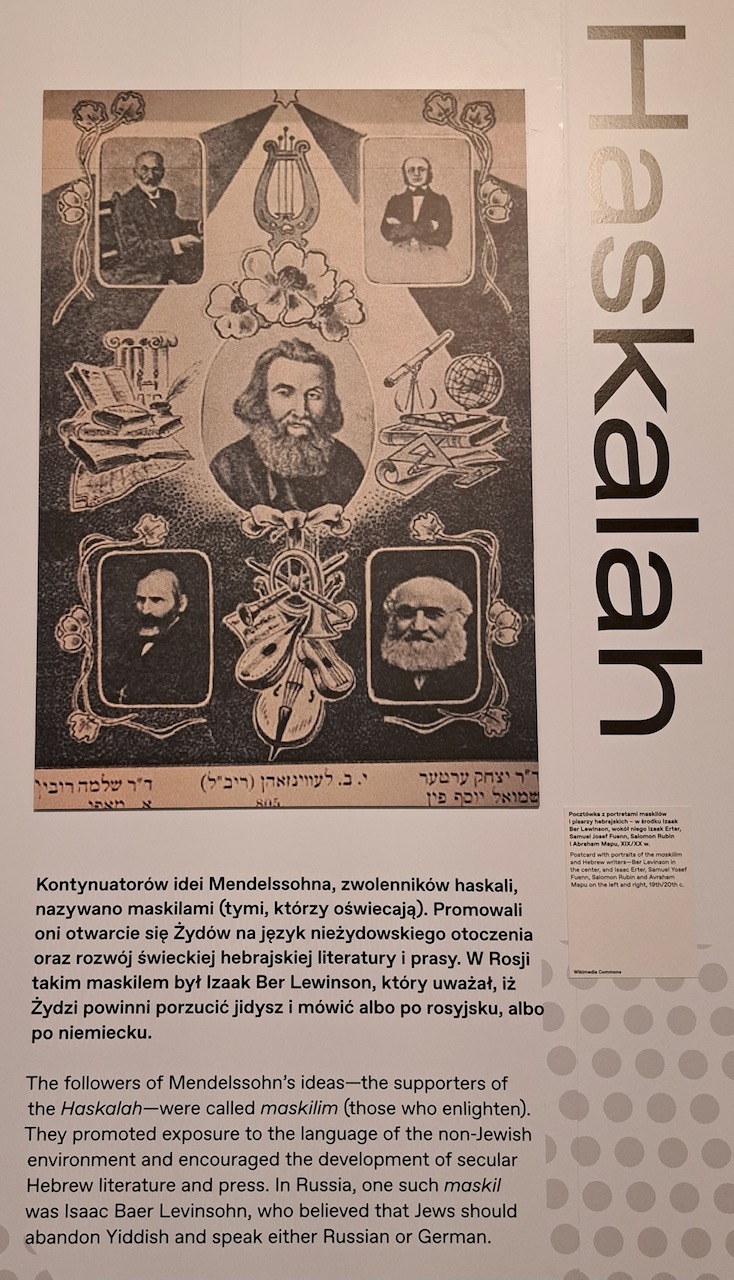
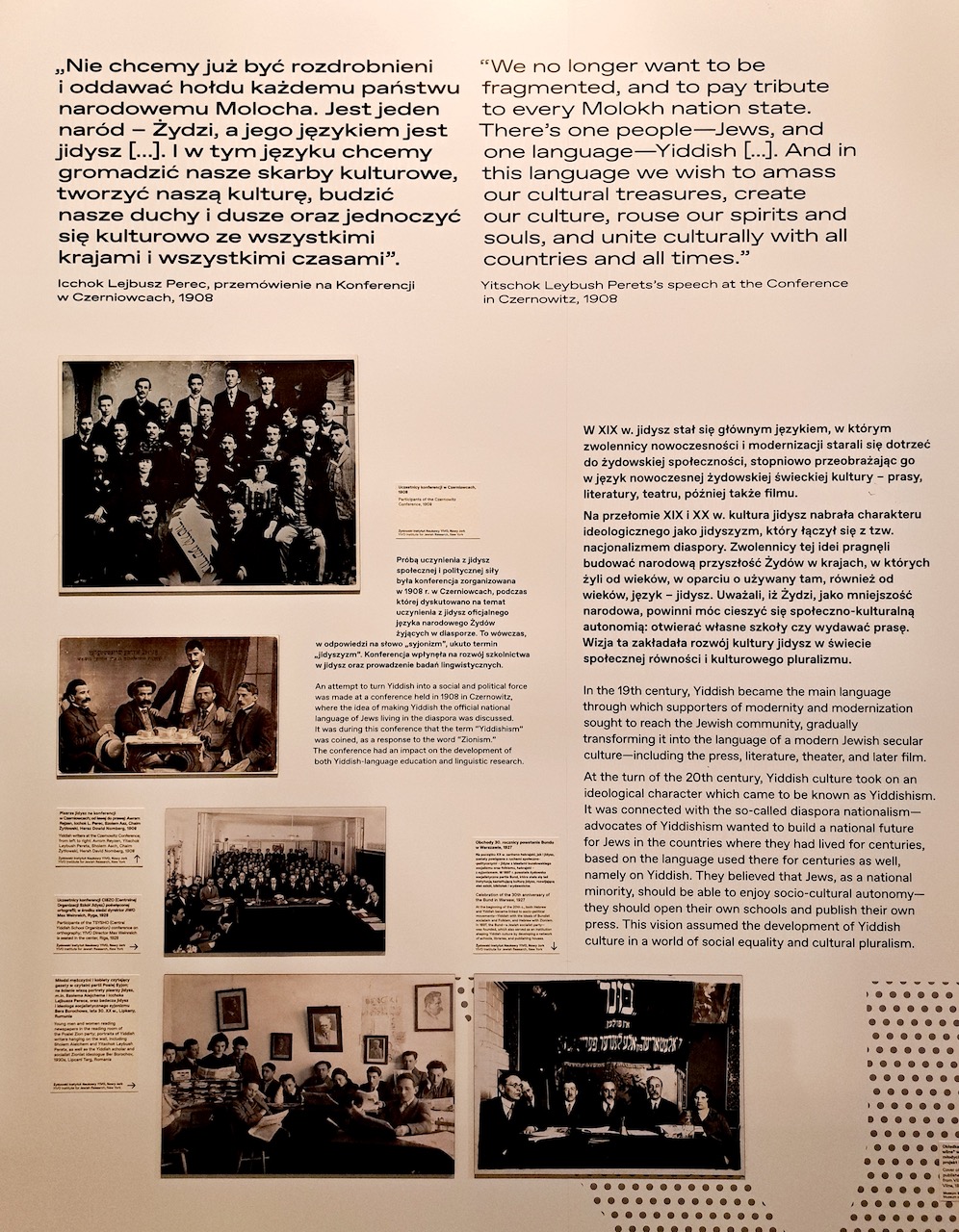
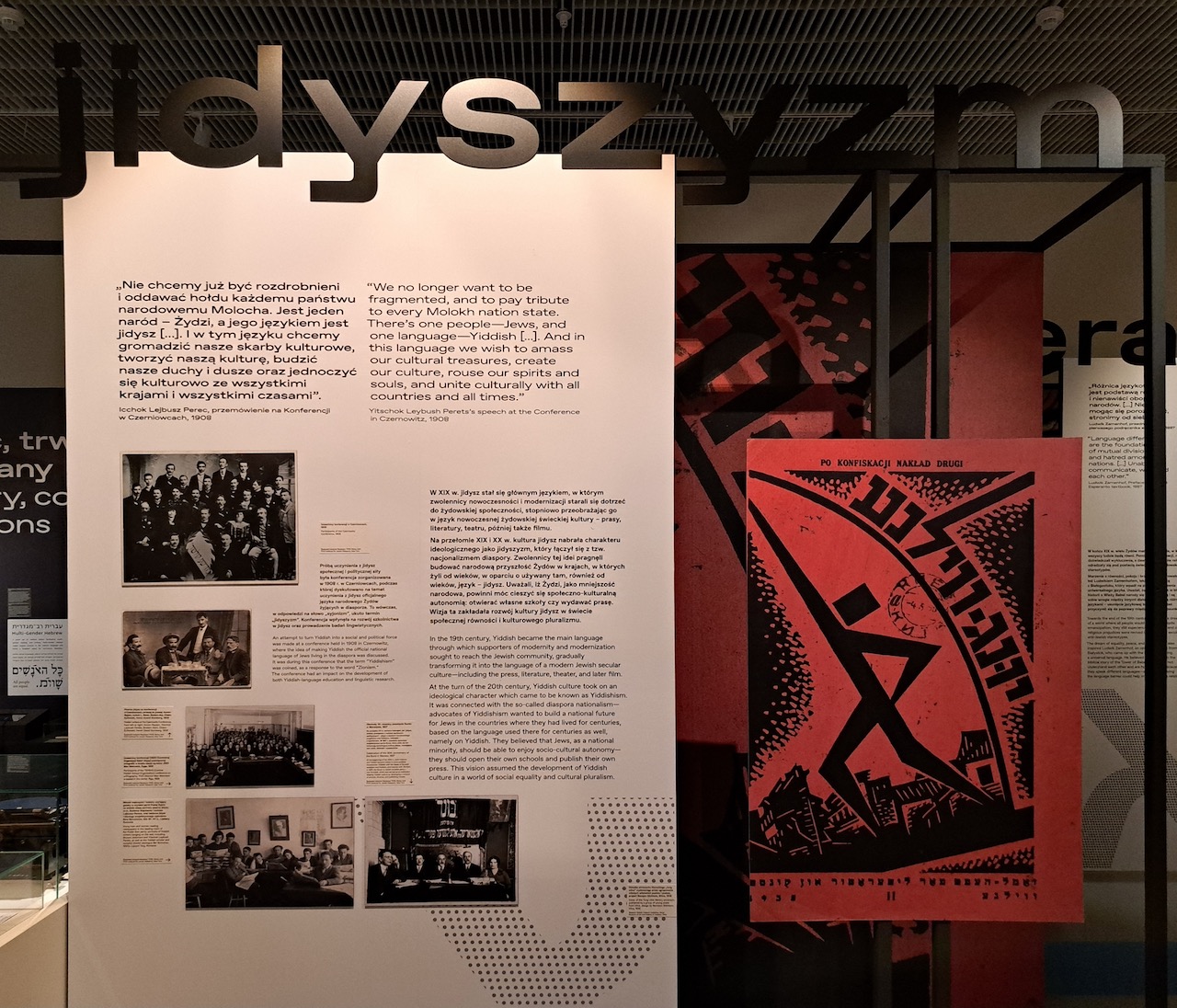
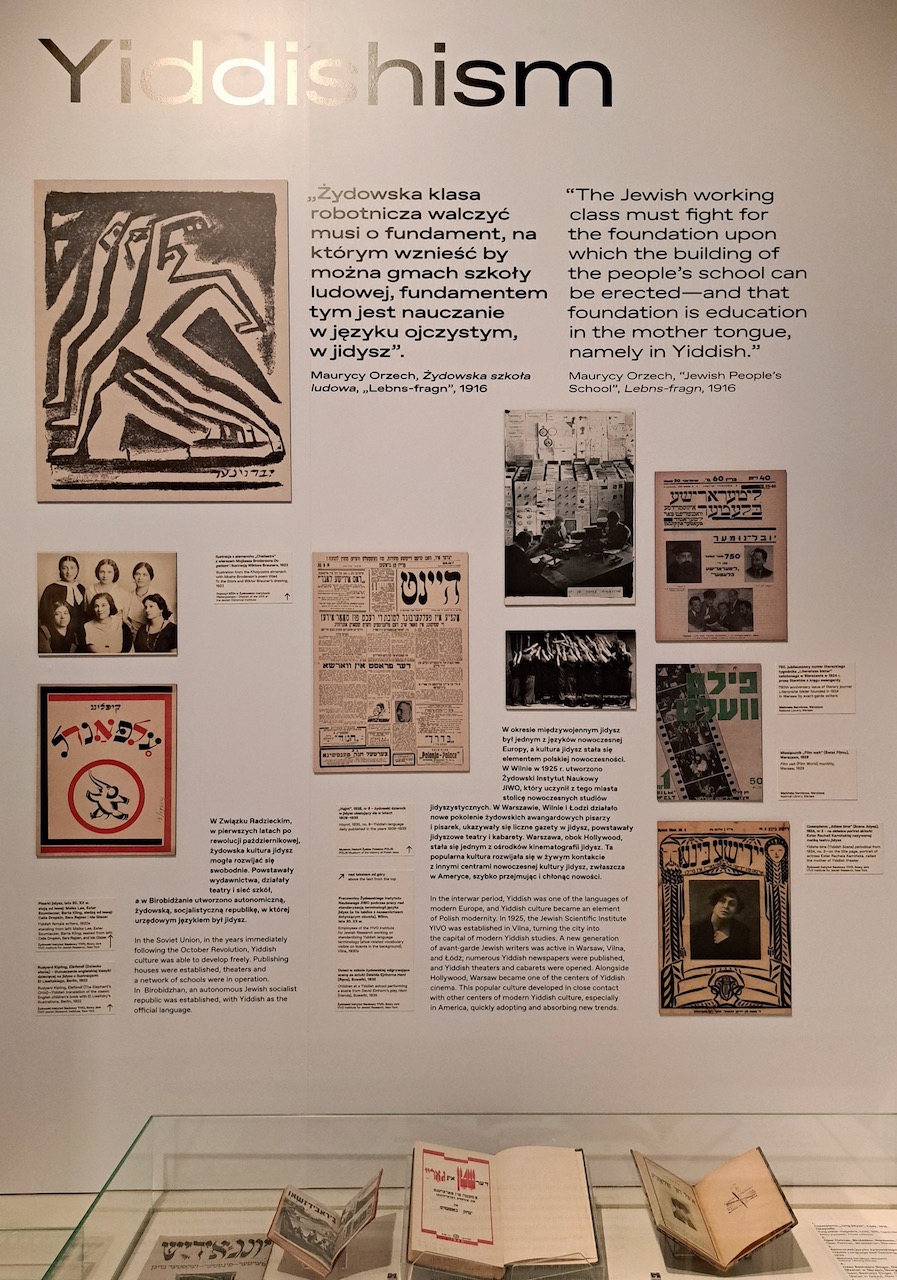
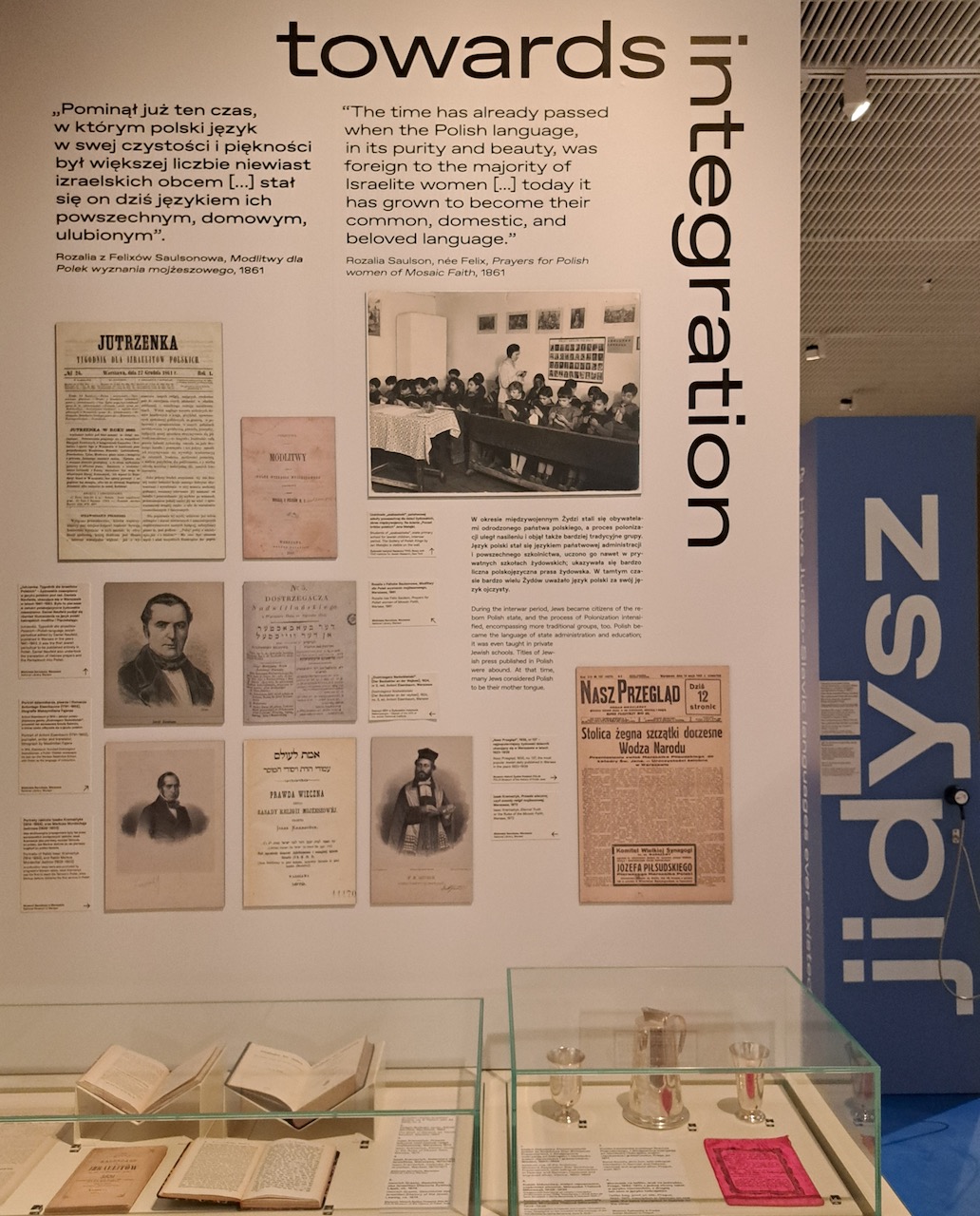
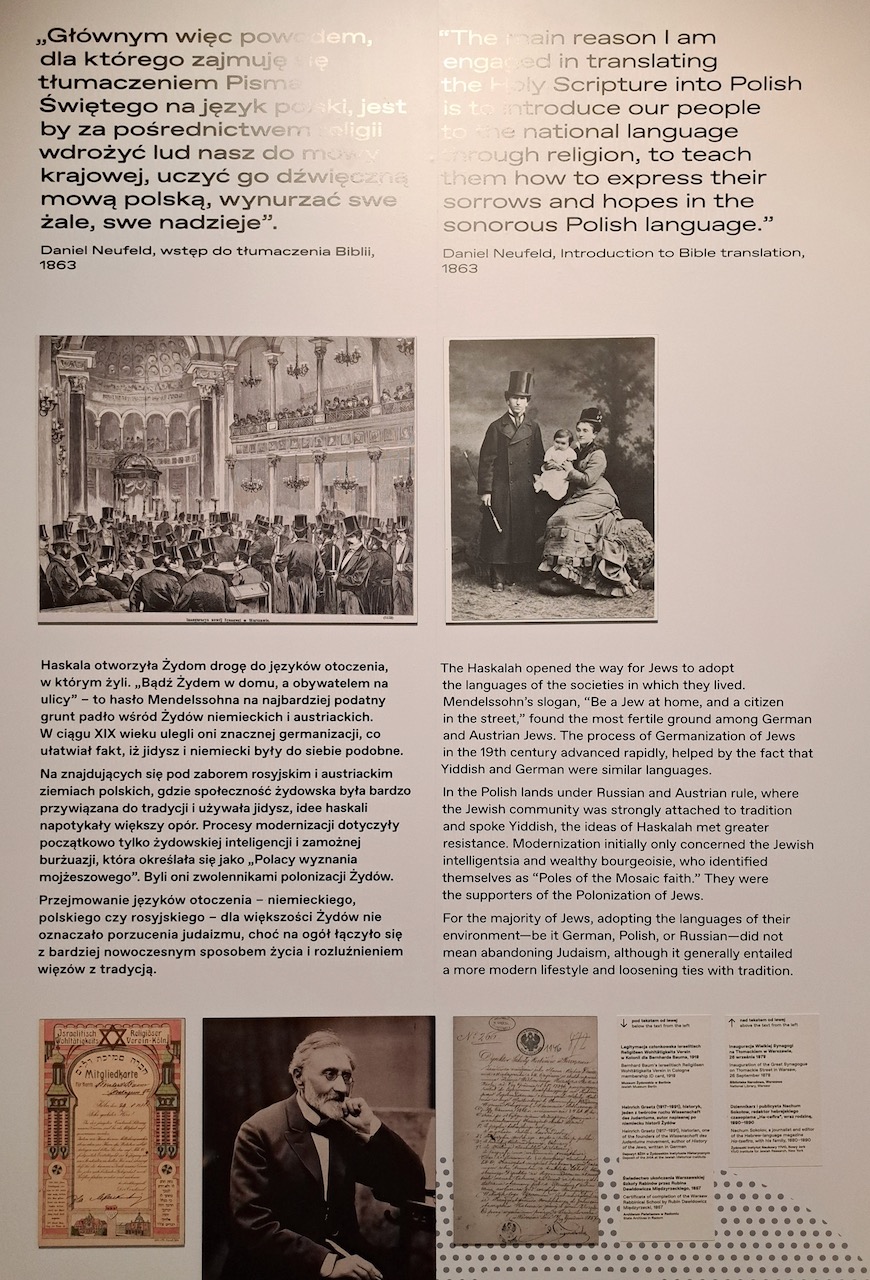
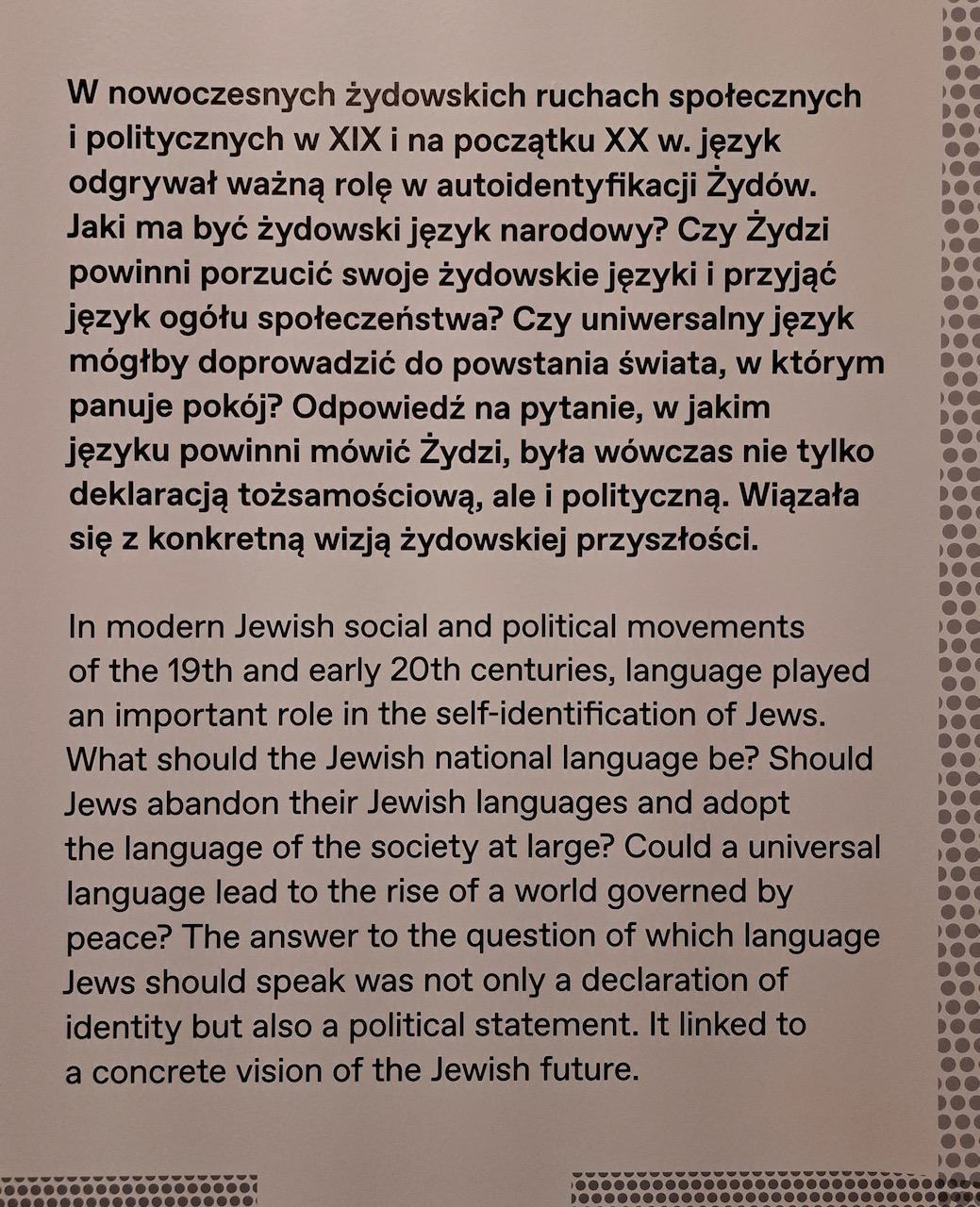
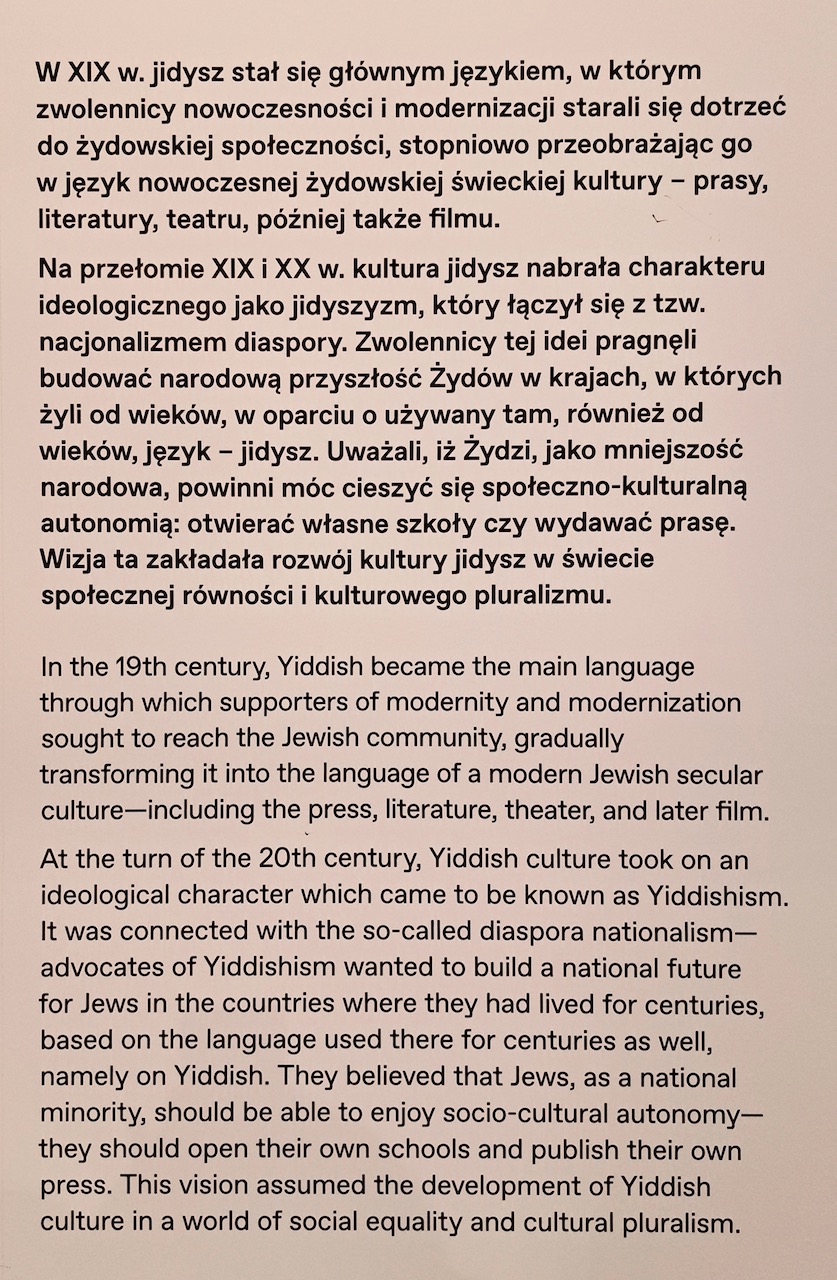
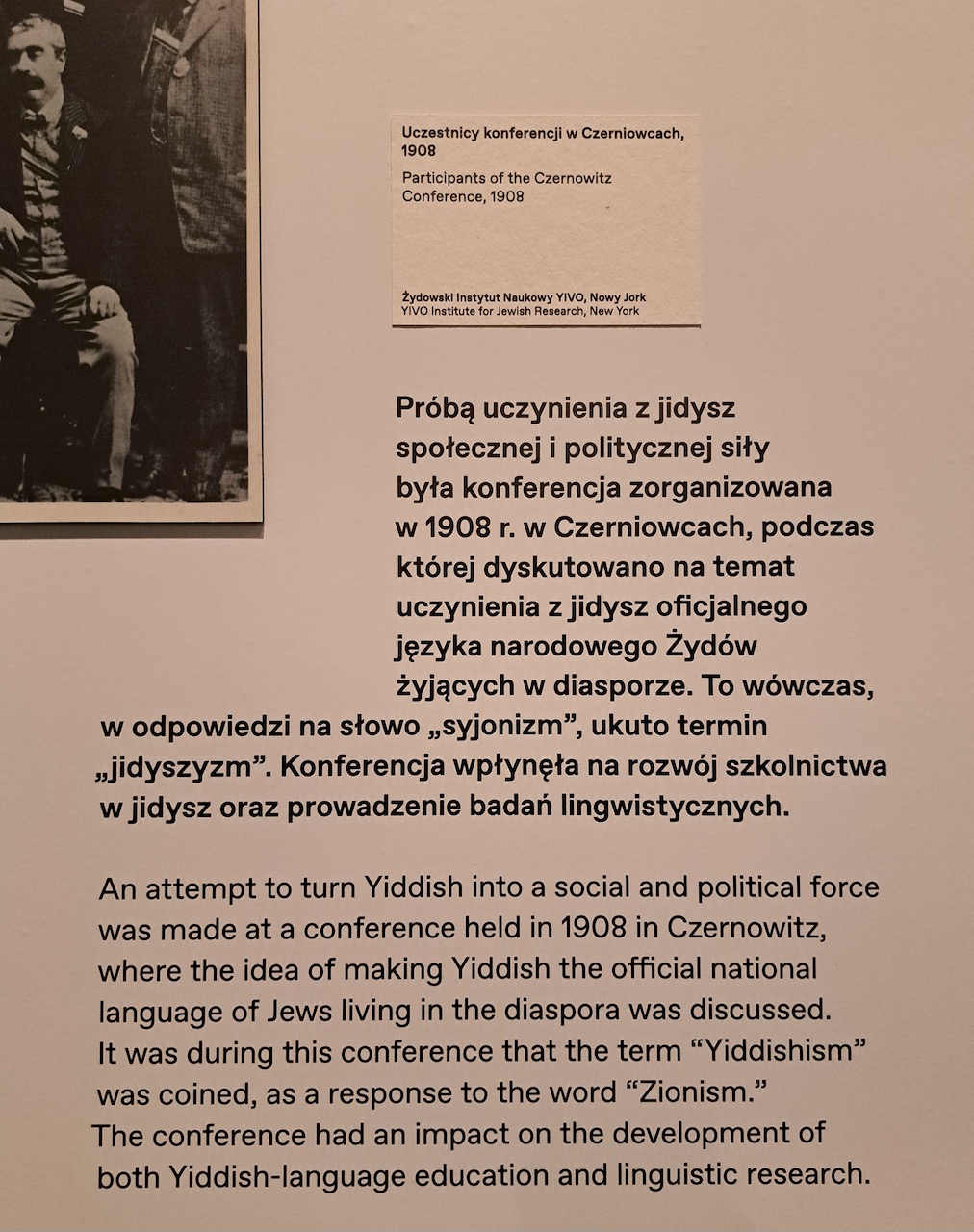
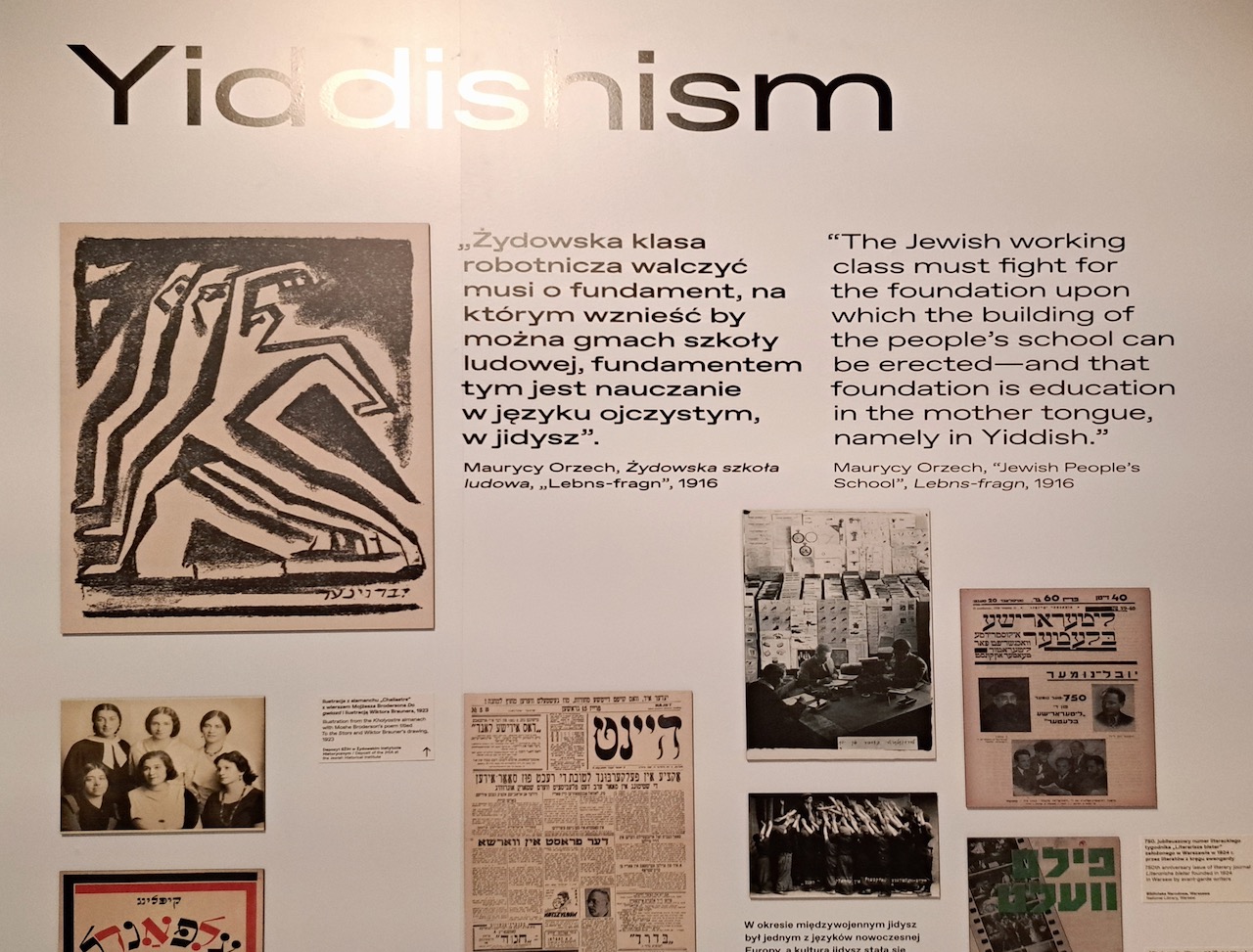
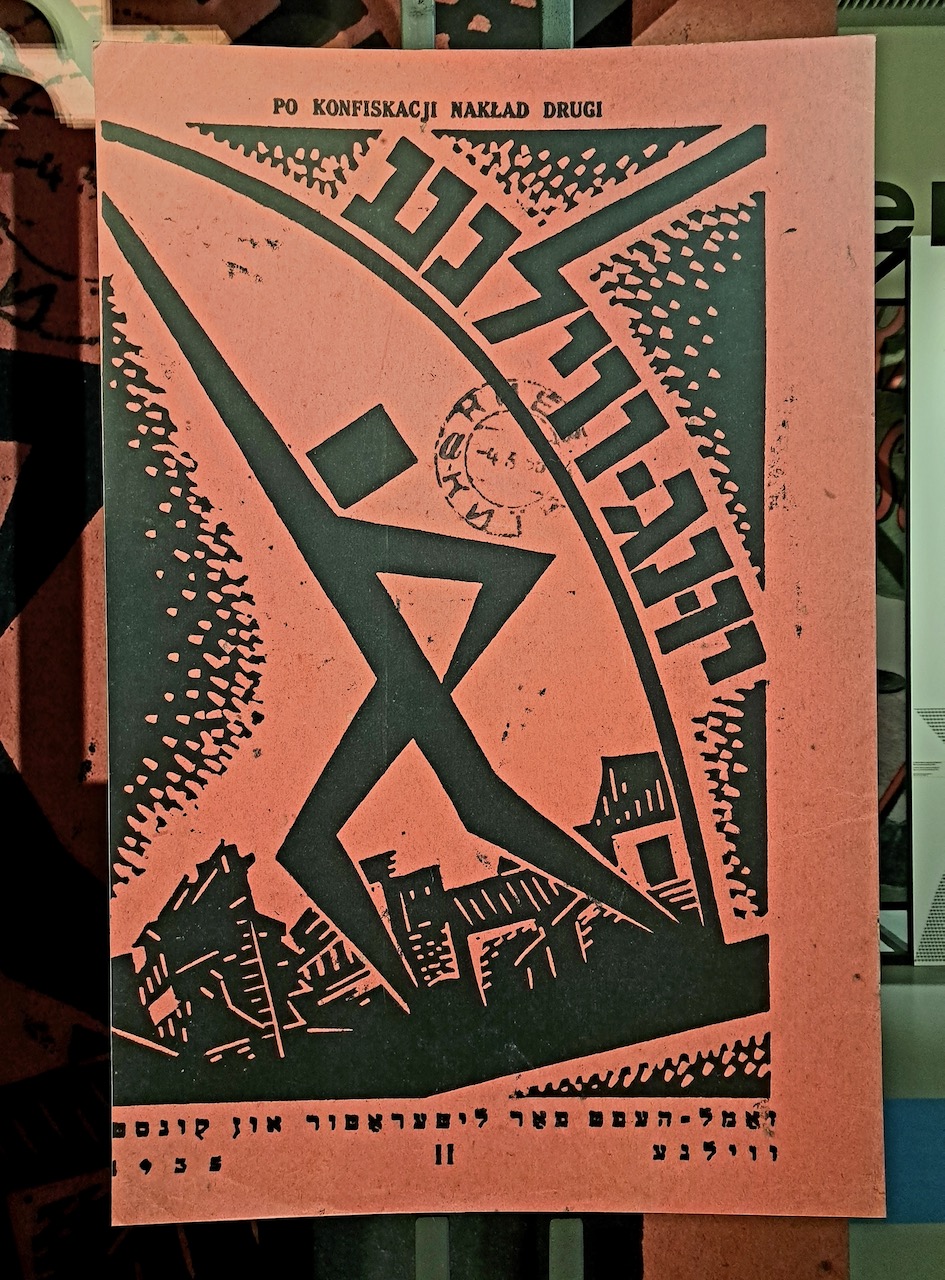
The exhibition “The Power of Words” at the POLIN Museum of the History of Polish Jews in Warsaw tells the story of Jewish languages and their importance for the Jewish community. Since Jews lived for many centuries in the diaspora, their languages, their traditions, and the texts related to them served as an important code of identity and formed an immaterial territory within which they were able to develop their culture.
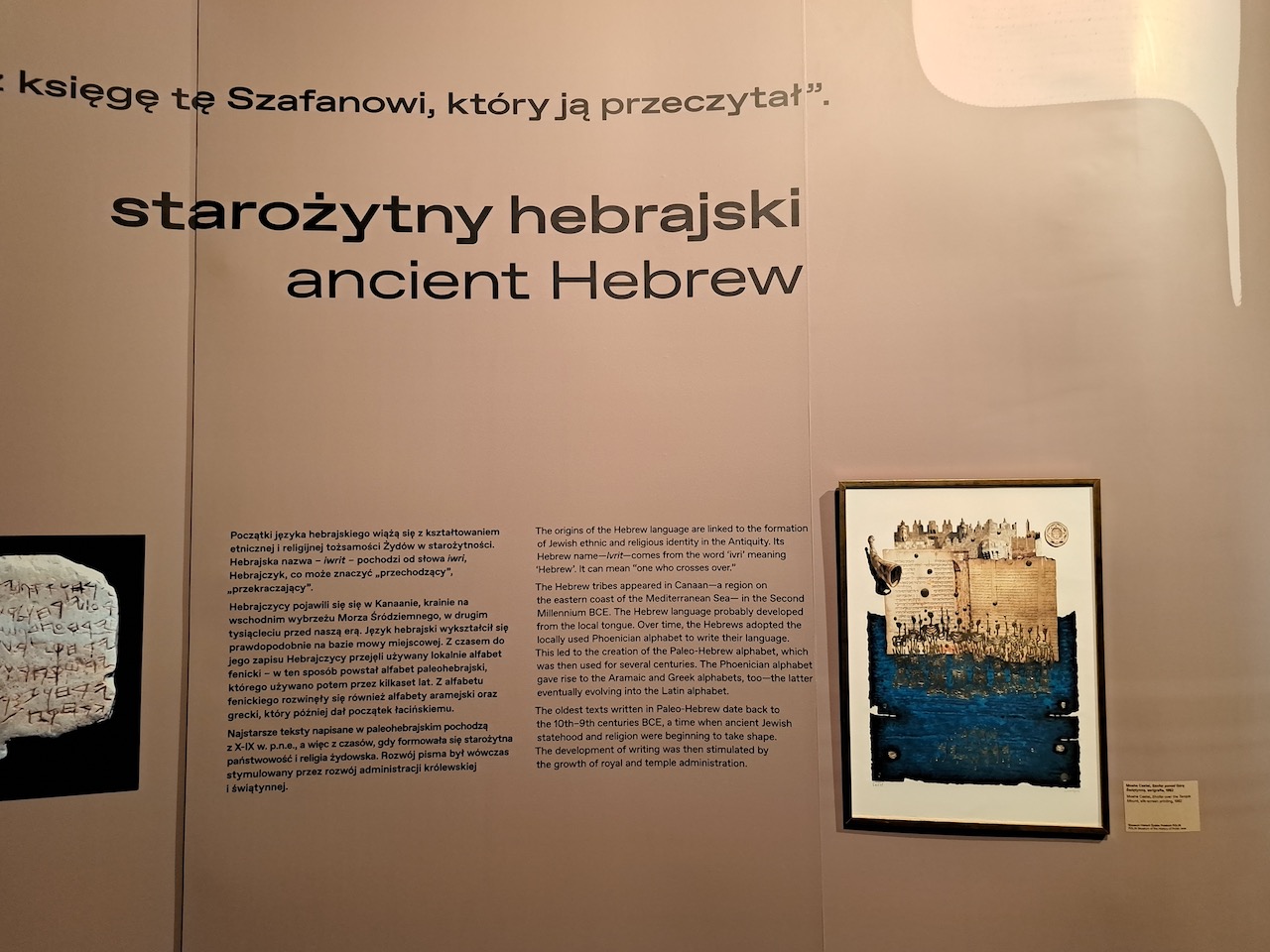
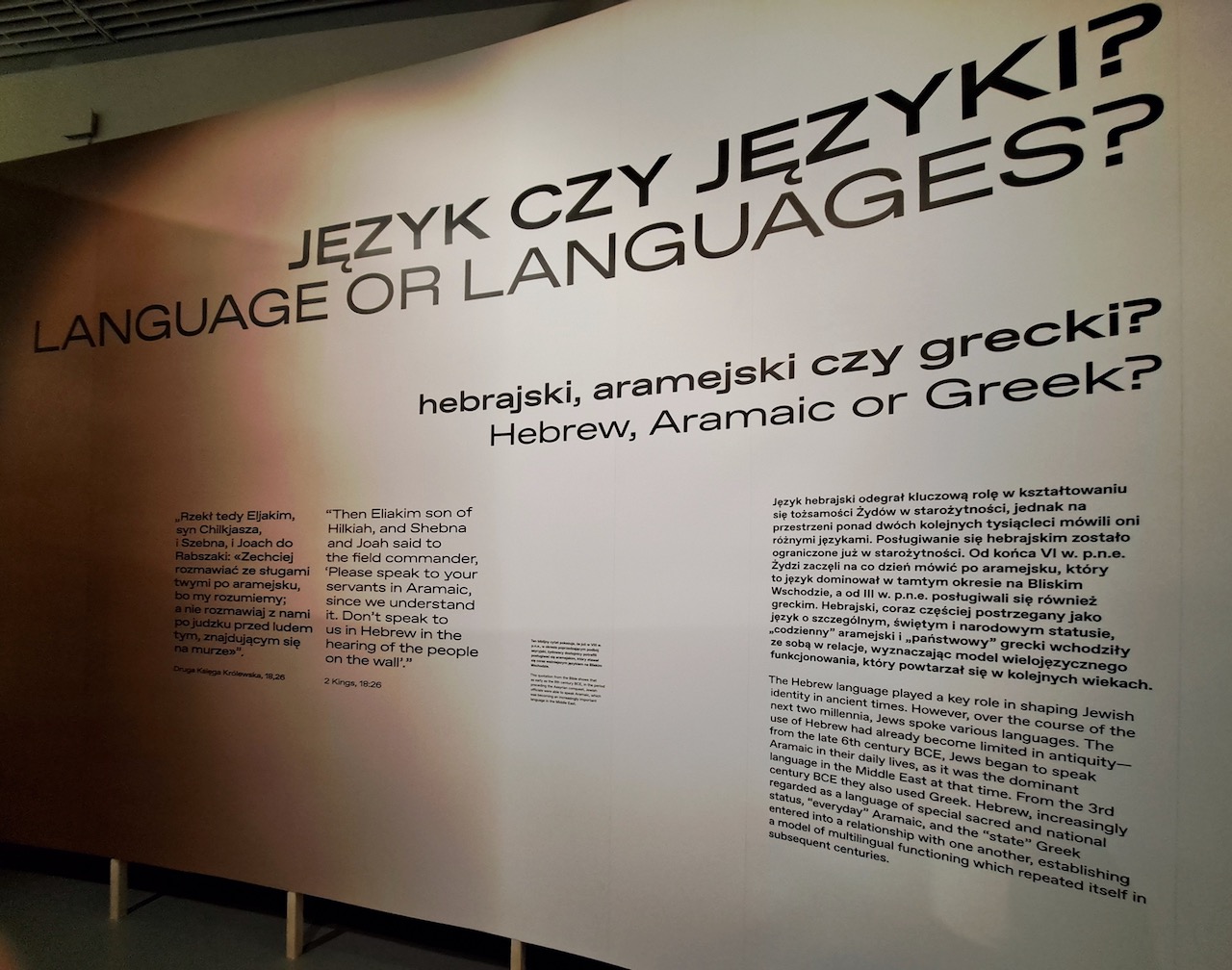
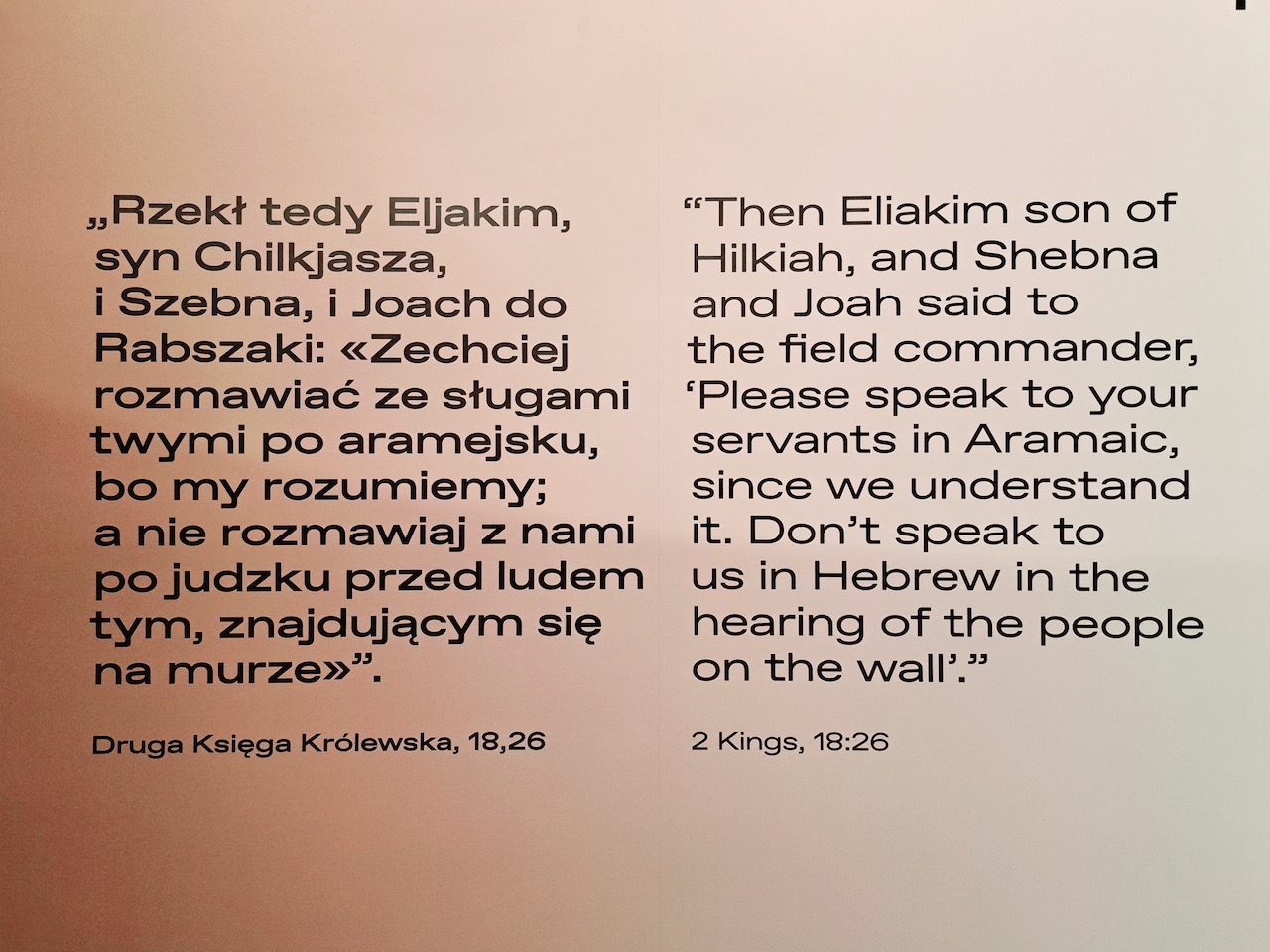
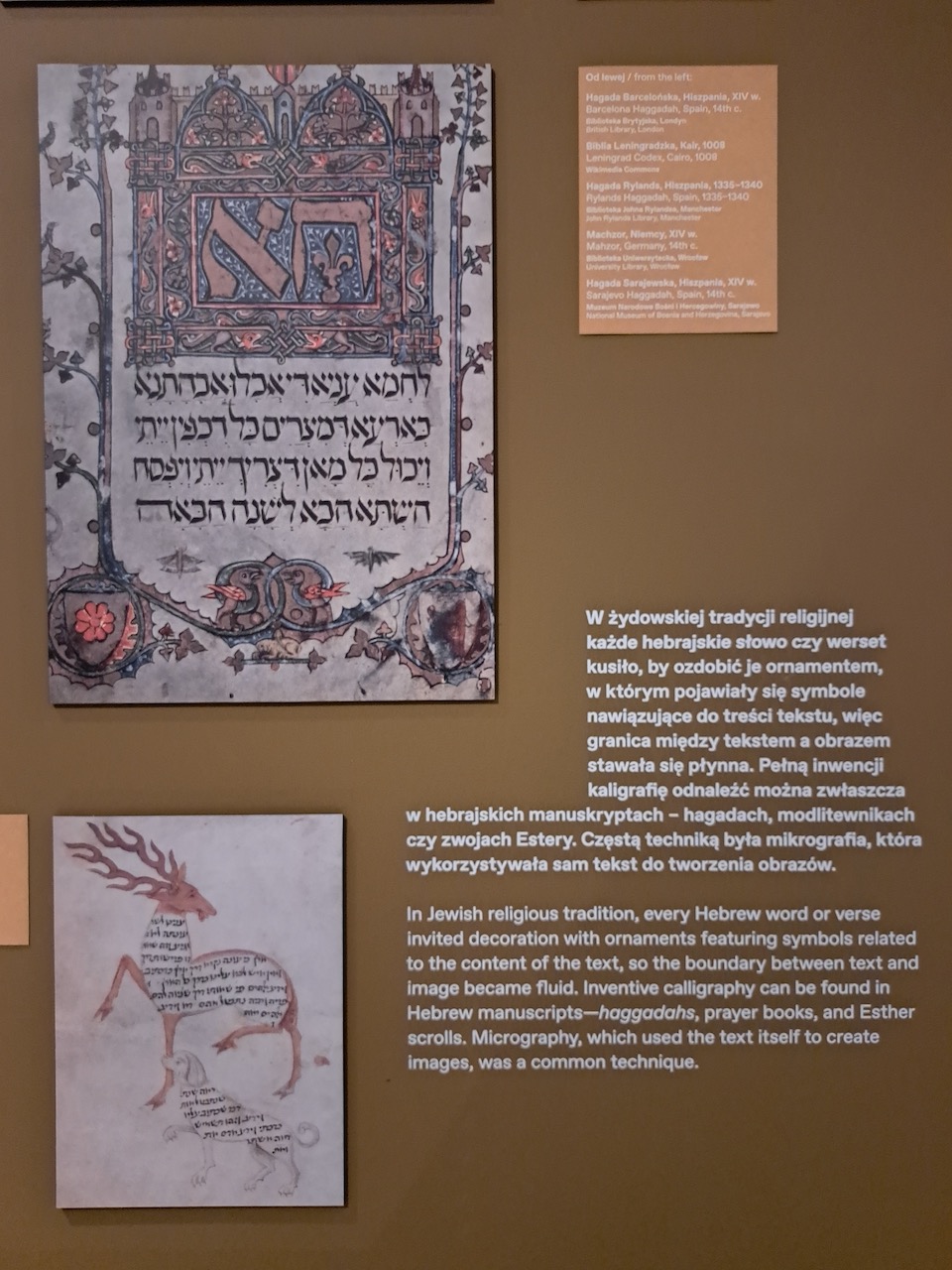
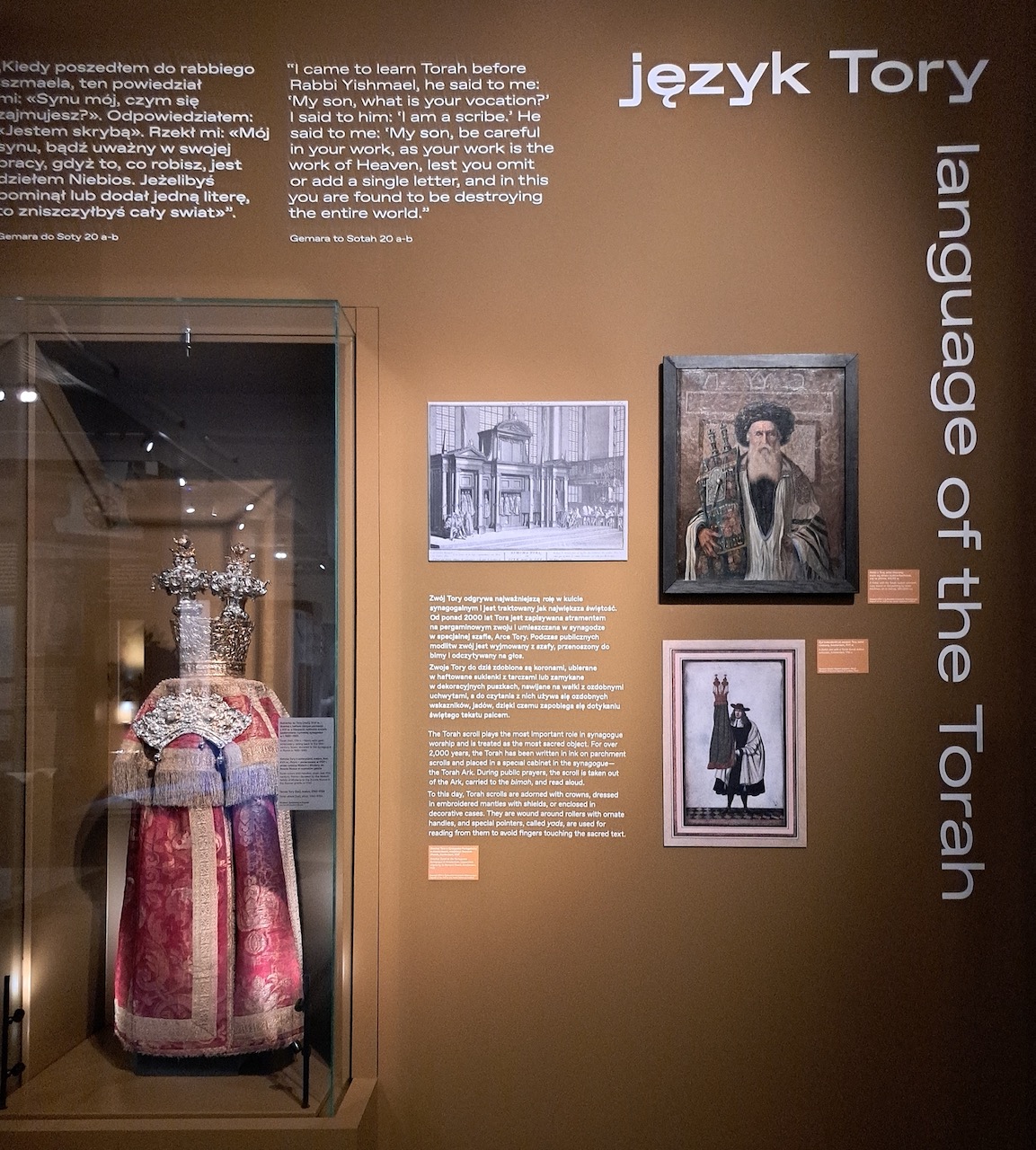
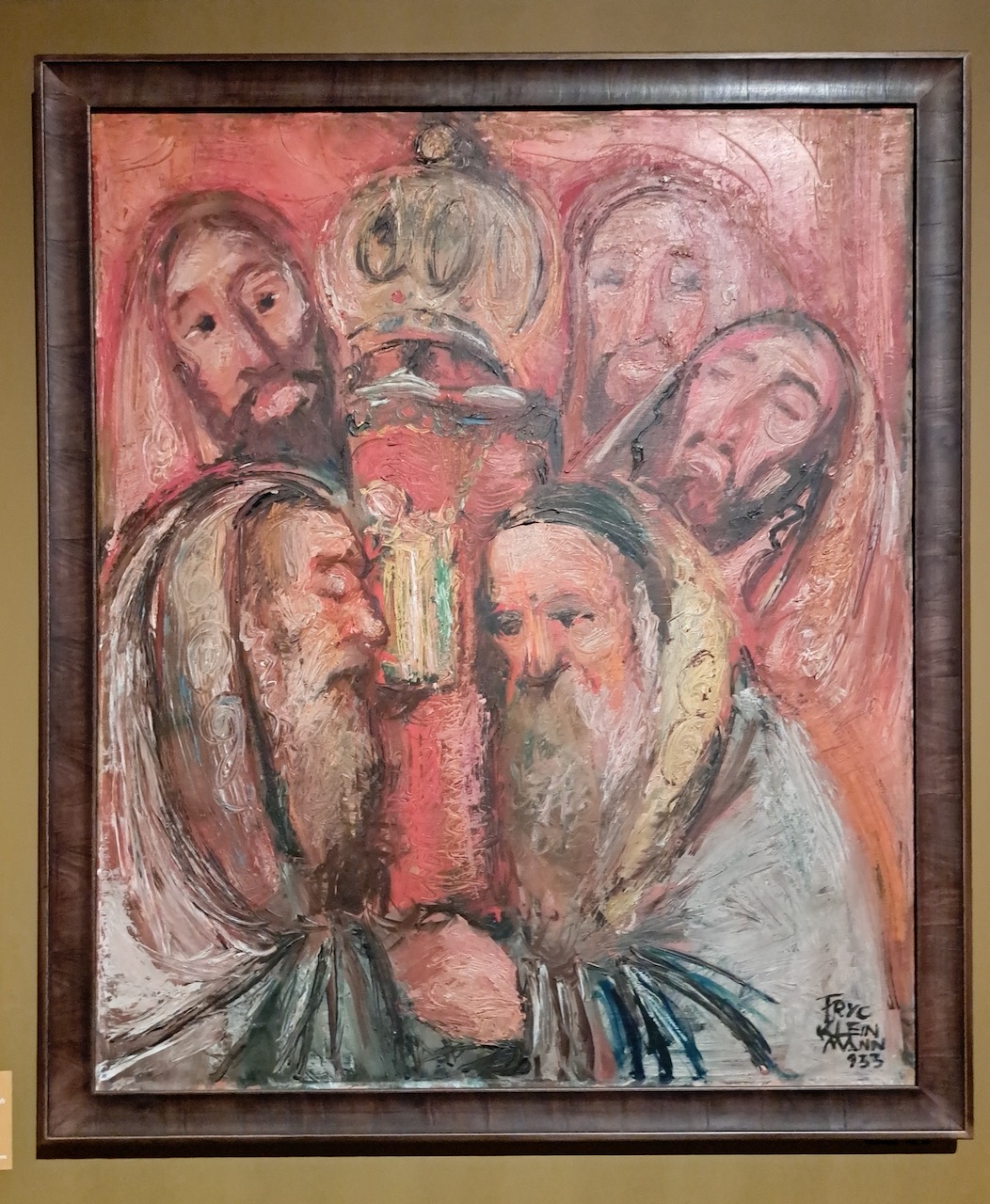
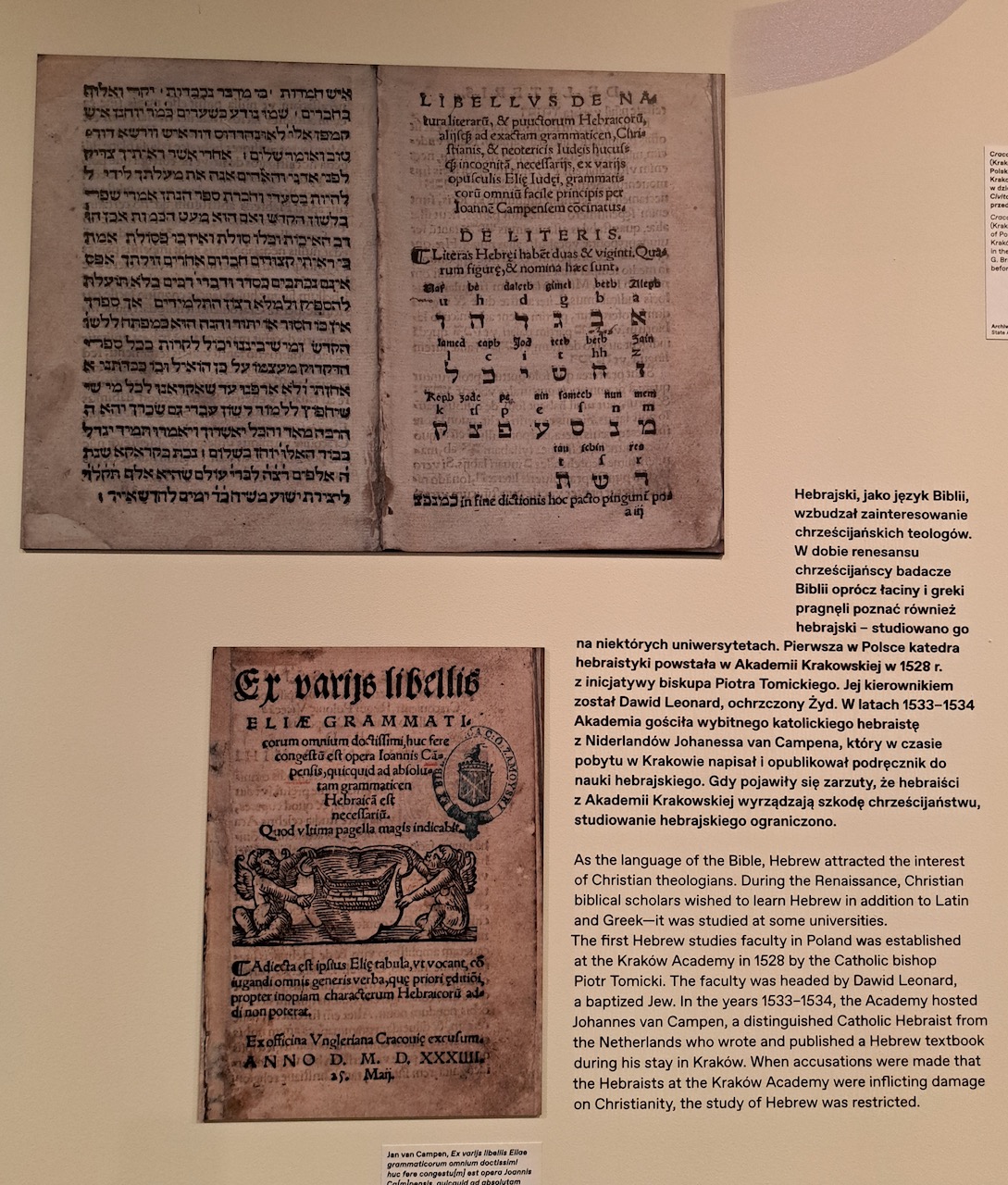
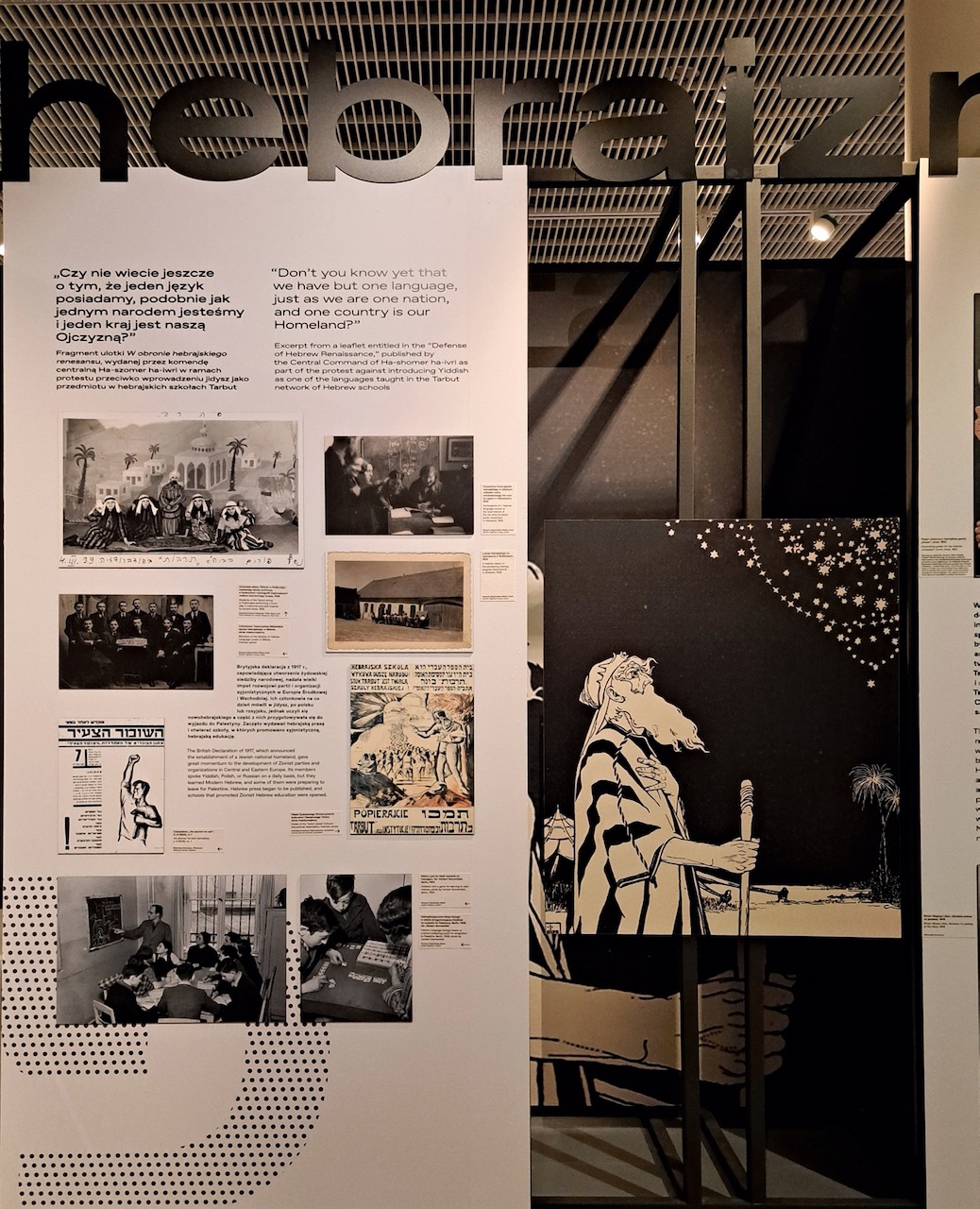
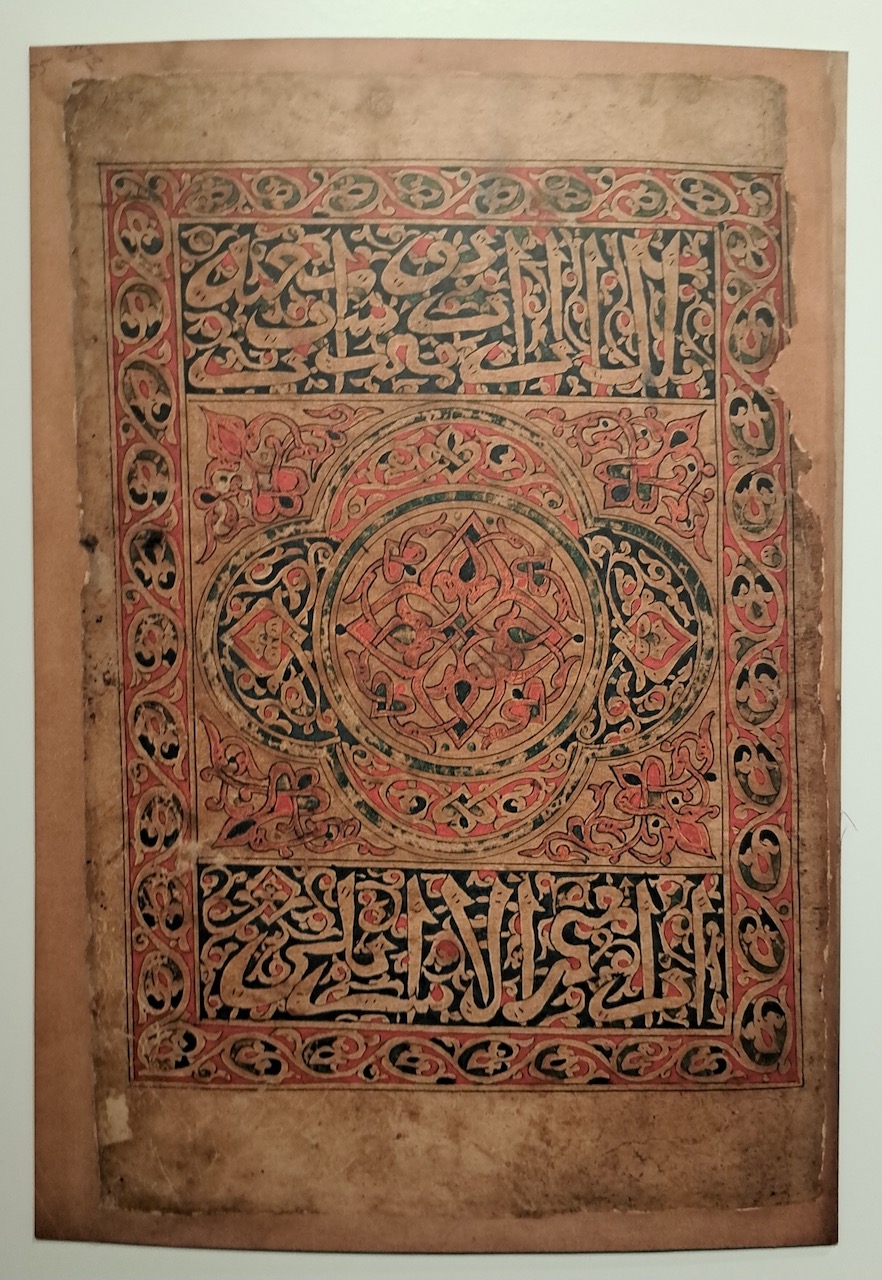
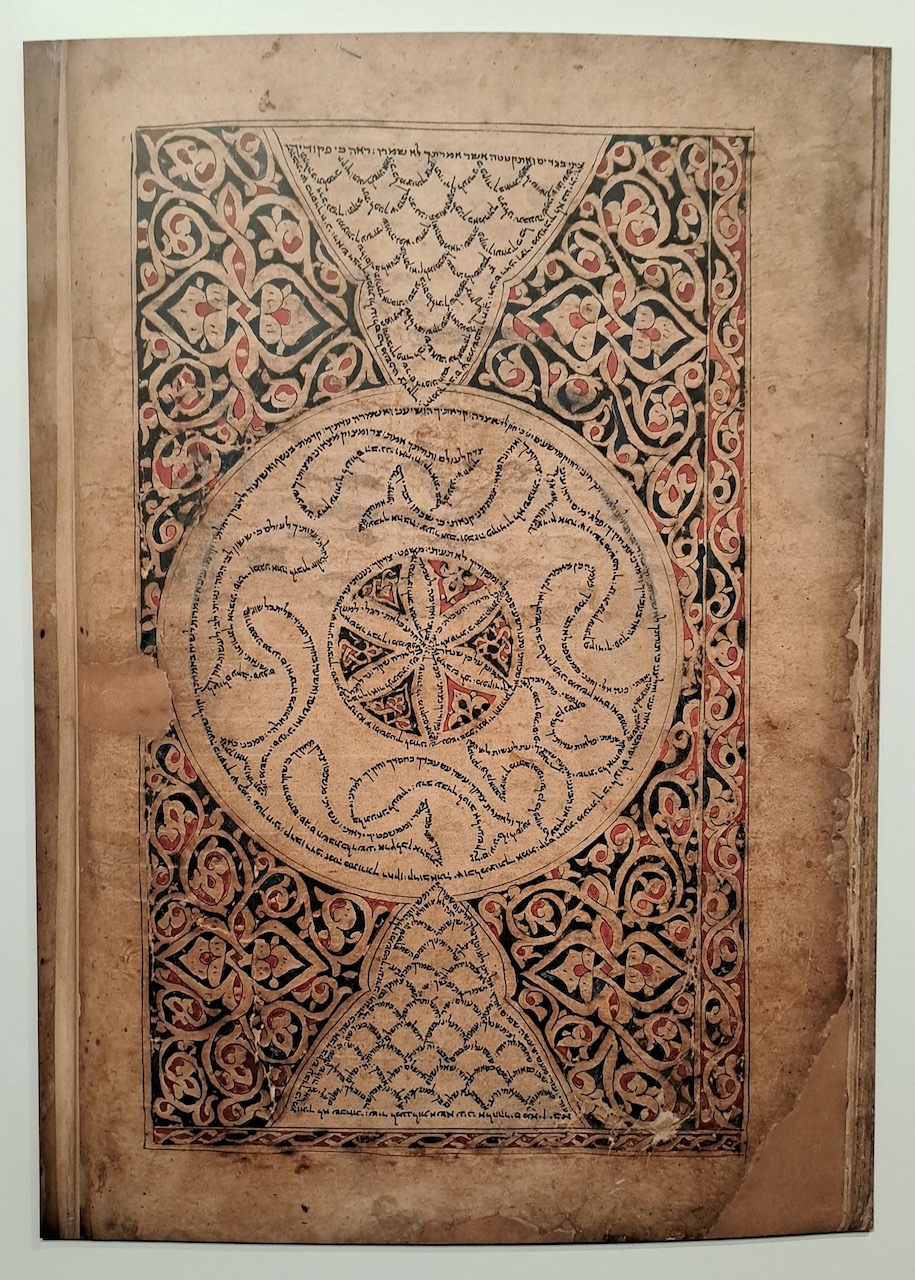
Hebrew lies at the heart of this story: an ancient language, a sacred language, a modern language. It played a particularly important role as the language in which the sacred texts of Judaism were written. As Jews migrated and settled in different countries, they developed a wide range of new dialects and new languages that wove connections with Hebrew and the languages of their surrounding environments. Because of the distinction between sacred languages and vernacular languages, Jewish communities were generally bilingual or multilingual. This fostered a strong sensitivity to linguistic issues and a willingness to engage in discussion about them.
Most importantly, the history of Jewish languages is a story not only of diversity, but also of cultural continuity. The new Jewish languages created over the centuries were generally written in the Hebrew alphabet and contained elements of earlier “inherited” languages.
It is worth recalling that Hebrew belongs to the group of Semitic languages. As an ancient language, it went through different stages of development, which explains why its various forms can be distinguished: Biblical Hebrew (the language of the ancient Hebrews, in which the Bible was written), Mishnaic Hebrew (used at the end of Antiquity), Medieval Hebrew (used for many centuries, mainly in liturgy), and Modern Hebrew (the official language of the State of Israel).
“Yah, Lord of Hosts, God of Israel, Living God, God of the Universe, El Shaddai […] engraved and created His world […], with three linguistic tools (sefarim): Number (sfar), Writing (sefer), and Speech (sippur).” — Sefer Yetzirah (a Jewish book of cosmogony, 3rd–6th centuries CE)
Esperanto
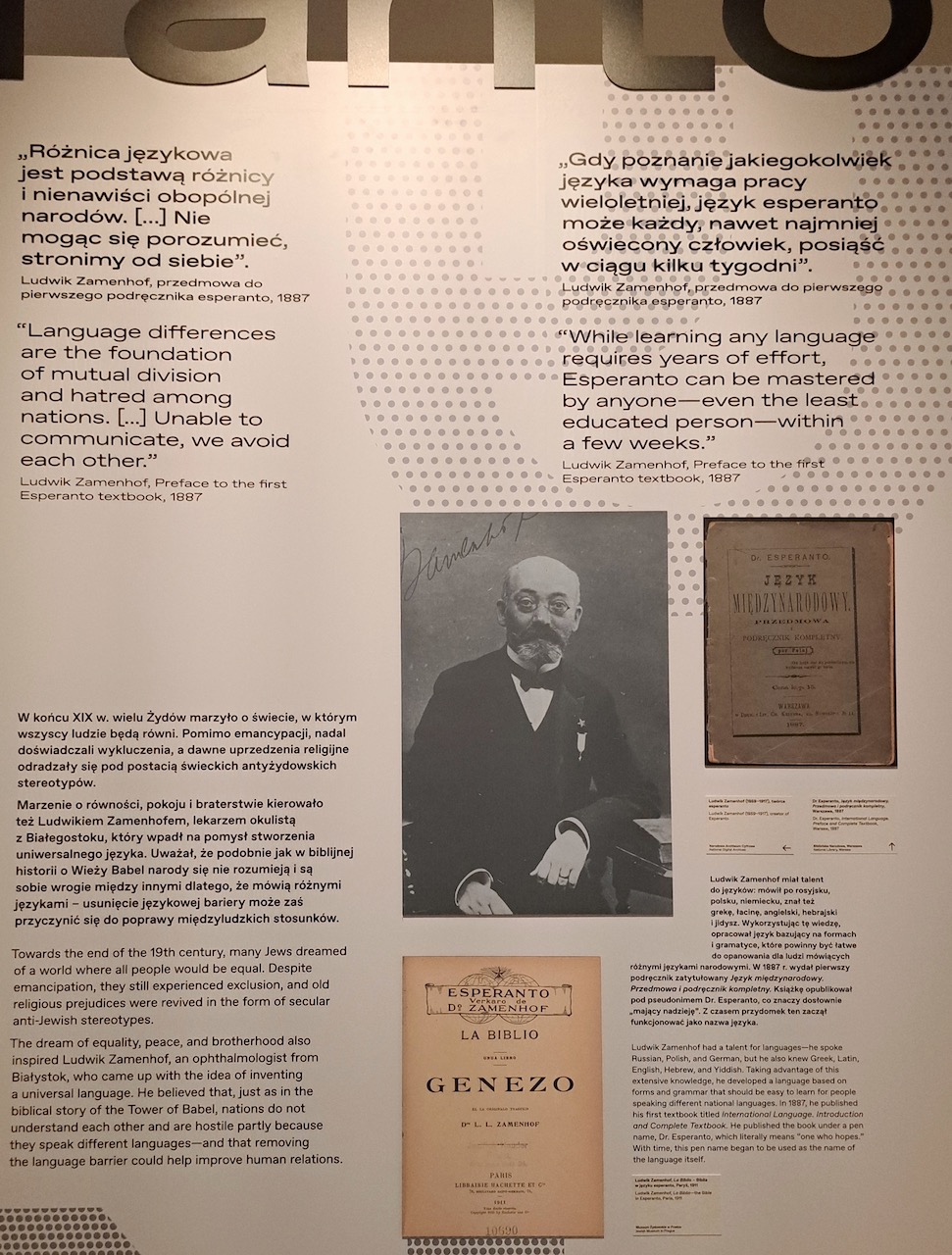
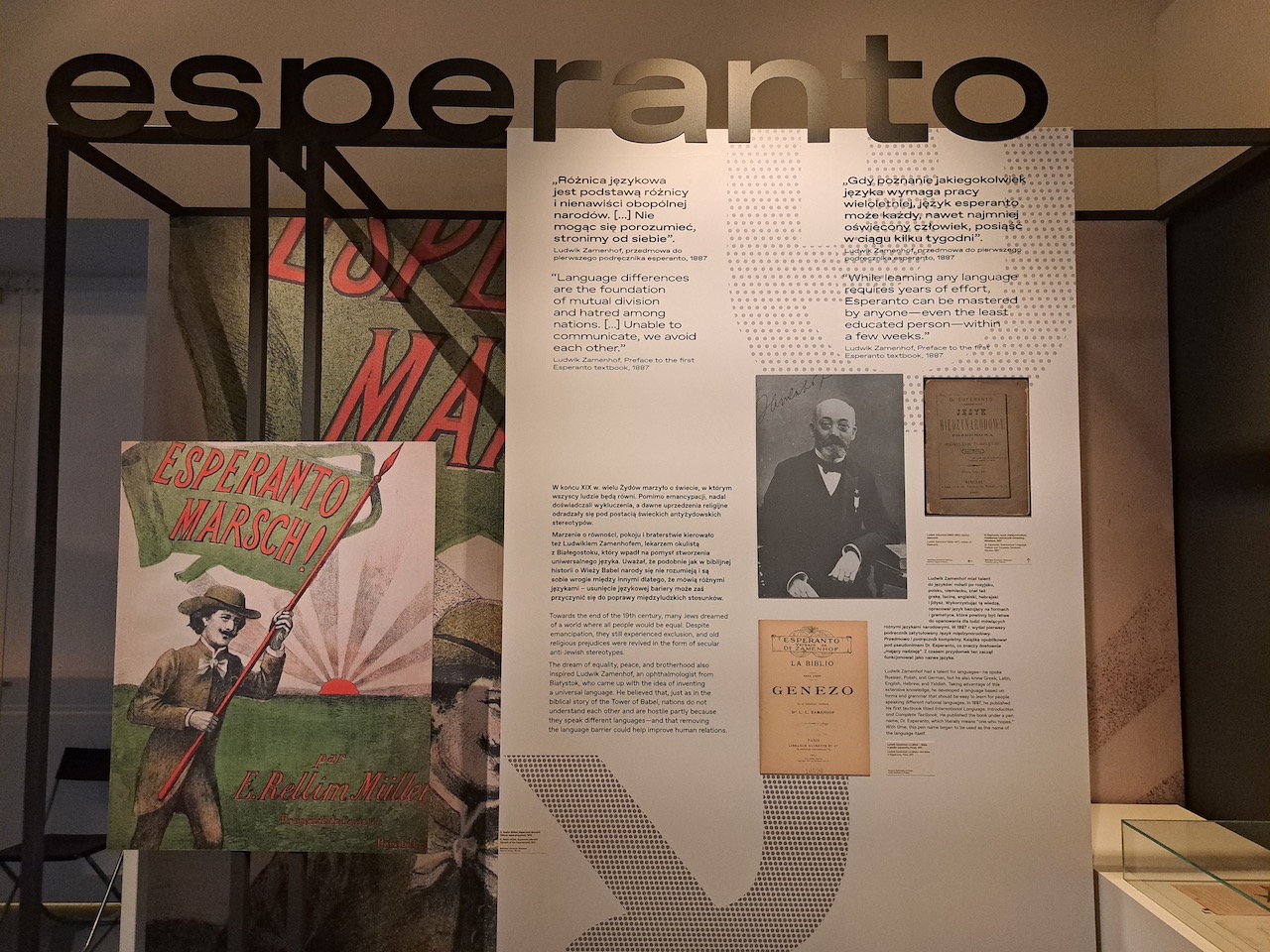
🇫🇷 Vers la fin du XIXe siècle, de nombreux Juifs rêvaient d’un monde où tous les êtres humains seraient égaux. Malgré l’émancipation, ils subissaient encore l’exclusion et de vieux préjugés religieux se sont ravivés sous la forme de stéréotypes antisémites laïques
Le rêve d’égalité, de paix et de fraternité a également inspiré Ludwik Zamenhof, un ophtalmologiste de Białystok, qui a eu l’idée d’inventer une langue universelle. Il pensait que, tout comme dans l’histoire biblique de la Tour de Babel, les nations ne se comprennent pas et sont hostiles en partie parce qu’elles parlent des langues différentes, et que la suppression de la barrière linguistique pourrait contribuer à améliorer les relations humaines.
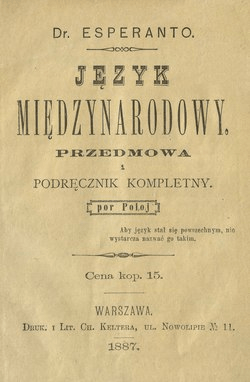
Ludwik Zamenhof avait un don pour les langues : il parlait russe, polonais et allemand, mais il connaissait aussi le grec, le latin, l’anglais, l’hébreu et le yiddish. Tirant parti de ces vastes connaissances, il a développé une langue basée sur des formes et une grammaire qui devraient être faciles à apprendre pour les personnes parlant différentes langues nationales. En 1887, il a publié son premier manuel intitulé Langue internationale. Introduction et manuel complet. Il a publié le livre sous un pseudonyme, Dr. Esperanto, qui signifie littéralement « celui qui espère ». Avec le temps, ce pseudonyme a commencé à être utilisé comme nom de la langue elle-même.
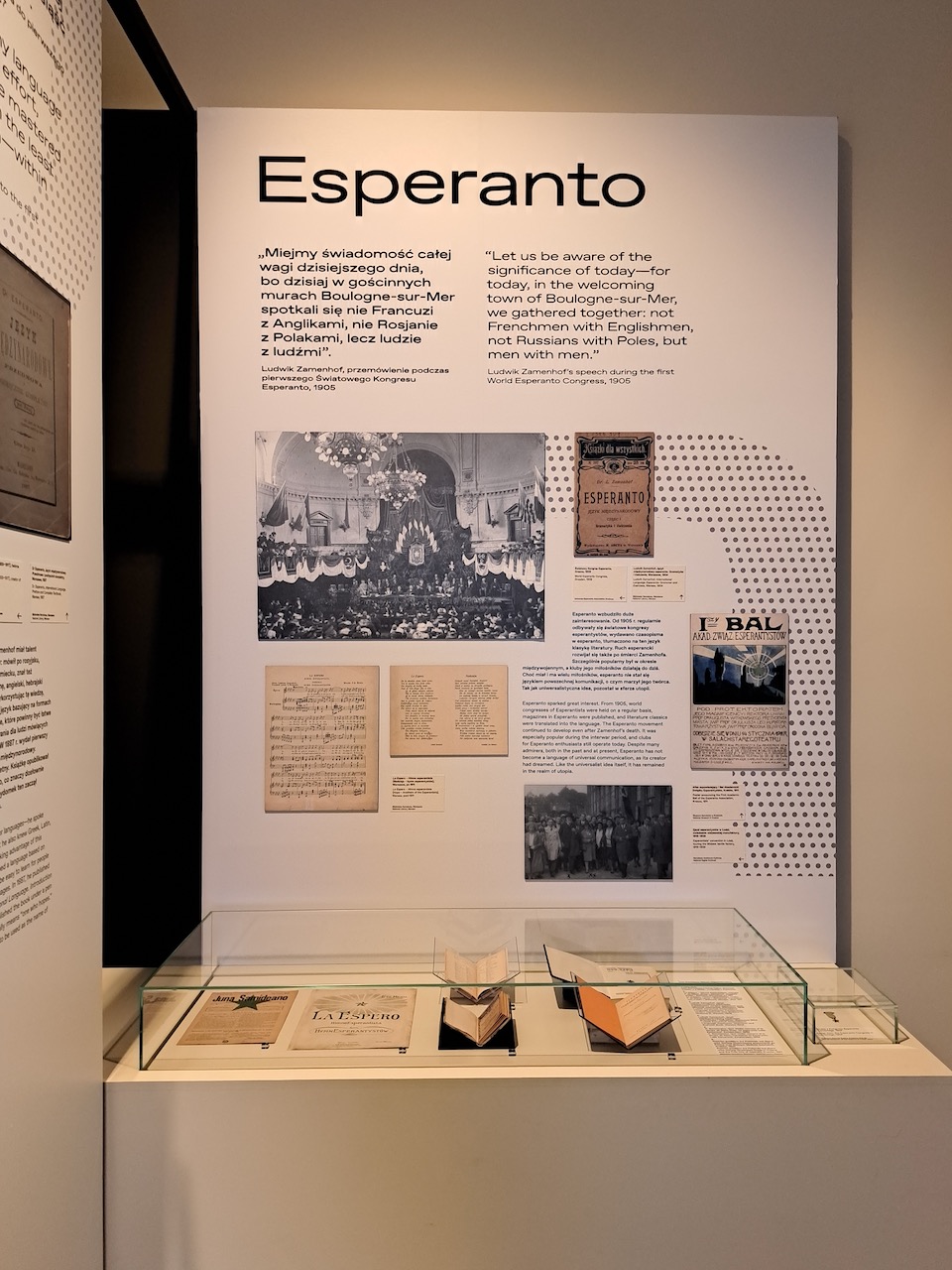
🇬🇧 Toward the end of the 19th century, many Jews dreamed of a world in which all human beings would be equal. Despite emancipation, they still faced exclusion, and old religious prejudices resurfaced in the form of secular antisemitic stereotypes.
The dream of equality, peace, and fraternity also inspired L. L. Zamenhof, an ophthalmologist from Białystok, who came up with the idea of inventing a universal language. He believed that, just as in the biblical story of the Tower of Babel, nations fail to understand one another and are hostile in part because they speak different languages, and that removing the language barrier could help improve human relations.
Ludwik Zamenhof had a talent for languages—he spoke Russian, Polish, and German, but he also knew Greek, Latin, English, Hebrew, and Yiddish. Taking advantage of this extensive knowledge, he developed a language based on forms and grammar that should be easy to learn for people speaking different national languages. In 1887, he published his first textbook, titled International Language: Introduction and Complete Textbook. He published the book under a pen name, Dr. Esperanto, which literally means “one who hopes.” With time, this pen name began to be used as the name of the language itself.
 AEMJP Polin